Yes, GLP-1 drugs like Ozempic, Wegovy, and Zepbound are increasingly linked to nutrient shortfalls, and new 2026 research shows it's a real, measurable pattern. It isn't because the medication itself is toxic. It's because eating dramatically less makes it harder to get enough vitamin D, iron, and B vitamins from food alone. Here's what the research actually shows, and how anyone managing their appetite, prescription or herbal, can protect their nutrient status along the way.
Does Taking a GLP-1 Drug Cause Nutrient Deficiencies?
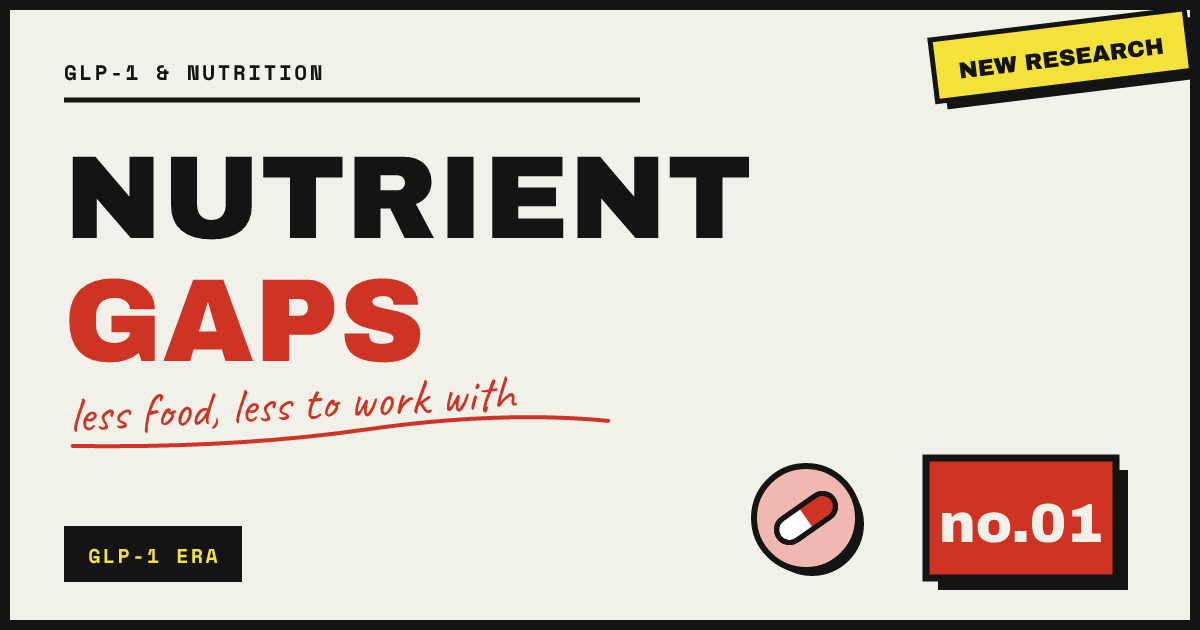
It can, indirectly. In adults with obesity and/or type 2 diabetes, GLP-1 therapy may lead to nutritional imbalances, with growing evidence indicating depletion of vitamin D, iron, and the B vitamin complex. A 2026 narrative review synthesized six studies covering nearly half a million adults and found a consistent pattern worth paying attention to.
GLP-1 receptor agonists such as semaglutide, liraglutide and tirzepatide are effective for obesity and type 2 diabetes but may predispose users to micronutrient deficiencies through appetite suppression, delayed gastric emptying and altered absorption. In other words, the drugs work exactly as intended on appetite, but that same mechanism can shrink the nutritional bandwidth of a day's meals.
Which Nutrients Are Most at Risk
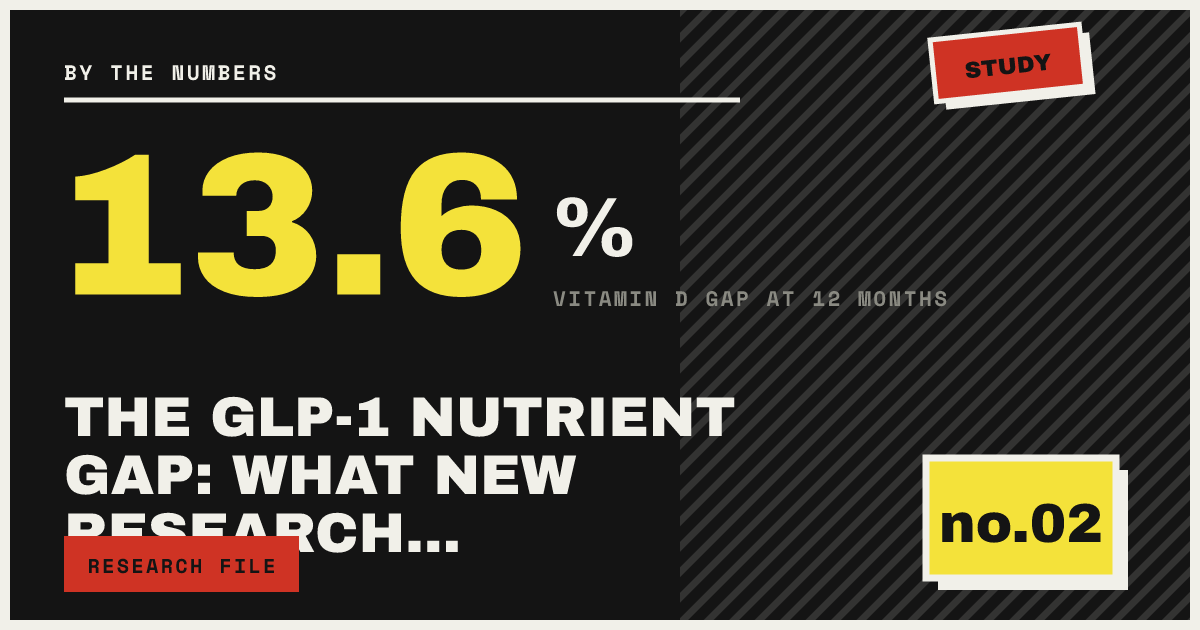
Researchers keep landing on the same short list. In one large database study, 12.7% of GLP-1 users were newly diagnosed with a nutritional deficiency at 6 months, most commonly vitamin D deficiency, and this lack of vitamin D increased to 13.6% of users at 12 months.
- Vitamin D — the single most common gap identified across studies
- Iron — GLP-1 users had a 49% higher risk for vitamin D deficiency than SGLT2 inhibitor users and a 54% higher risk for lower ferritin levels than SGLT2 inhibitor users
- B vitamins, including B12 and thiamine, along with calcium, selenium, and zinc
Diagnoses of muscle loss, B vitamin deficiencies, dehydration, and mineral deficiencies also rose over time. None of this means something is wrong with the medication class. It means the body still needs a full set of nutrients even when the plate gets smaller.
Why Eating Less Doesn't Always Mean Eating Enough
The math is simple and easy to overlook. When total food volume drops, so does everything that comes with it, calcium, protein, iron, and fat-soluble vitamins that rely on food for absorption.
One review found more than 60% of GLP-1 users consumed below estimated requirements for calcium and iron, and vitamin D intake averaged just 20% of recommendations. A smaller pilot study went further, and a prospective pilot study of 51 adults with type 2 diabetes showed markedly reduced intestinal iron absorption after 10 weeks of semaglutide therapy. That's a double hit: less iron coming in, and less of it being absorbed once it does.
Hydration follows the same pattern. Suppression of thirst has been observed in users of certain GLP-1 drugs and may increase the risk of dehydration, particularly in older adults, so monitoring hydration status is recommended, especially during dose escalation.
The Protein-Muscle Connection Nobody Talks About
Protein deserves its own spotlight here. Protein and calcium insufficiency contributed to lean mass loss, while thiamine and cobalamin deficits increased over time. That's a meaningful detail: some of the weight lost on reduced-appetite plans isn't fat, it's muscle, and low protein intake is a big reason why.
This is exactly why nutrition-forward habits matter regardless of what's driving your smaller appetite. Prioritizing a complete, easy-to-digest protein source, like a scoop of Daily Plant Protein stirred into a smaller meal, can help close the gap without requiring you to eat more volume than feels comfortable.
If You're Not on a GLP-1 Drug, This Still Applies to You
This research isn't just relevant to prescription users. Anyone actively managing cravings or portions, whether through a doctor's plan or gentler herbal habits, can run into the same nutrient math. Fewer calories in means fewer nutrients in, unless you're deliberate about it.
To be clear, VYNEHERB's herbal formulas are designed as gentle, structure-and-function support for appetite habits and daily wellness routines, not as a substitute for prescription treatment and not positioned as equivalent to any GLP-1 medication. If you're on a GLP-1 drug, never start, stop, or adjust it without your prescriber, and loop your provider in on any supplement you're considering alongside it.
How to Protect Your Nutrient Status While Managing Your Appetite
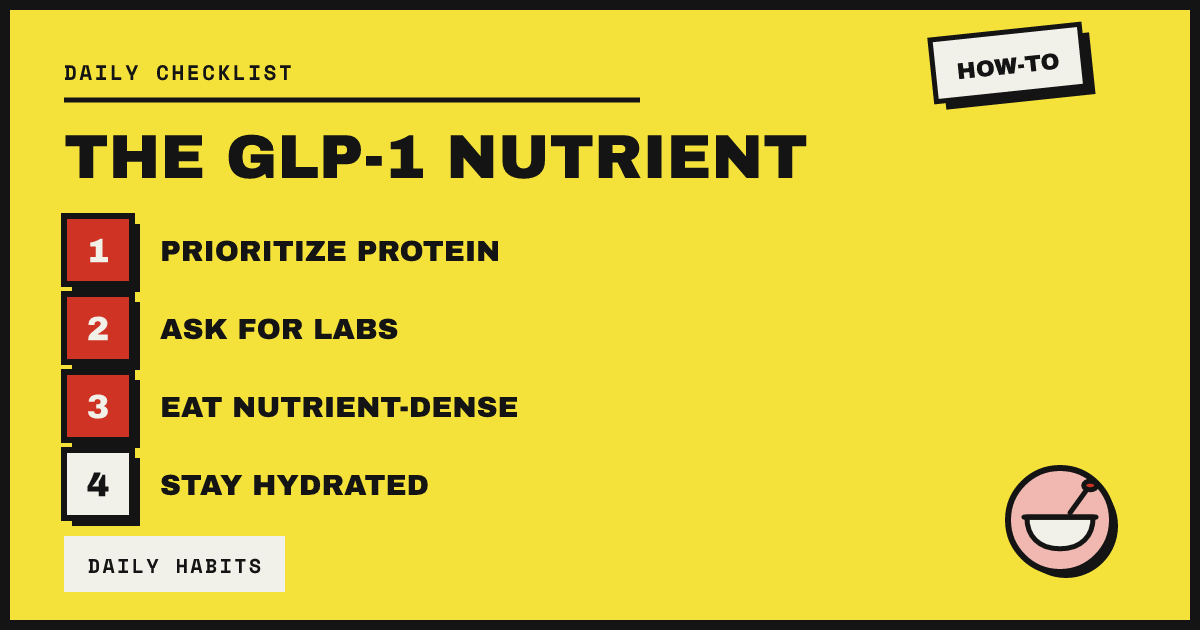
Small, consistent habits tend to matter more than any single fix. A few places to start:
- Ask your provider about baseline and follow-up labs for vitamin D, B12, and ferritin if you're on long-term appetite-reducing treatment
- Build smaller meals around a protein source first, then add color and fiber around it
- Choose nutrient-dense foods over empty-calorie ones when your appetite is limited
- Keep water (and electrolytes, if recommended) within easy reach throughout the day
None of this requires eating more than feels right. It just means making the calories you do eat count.
Frequently Asked Questions
Do I need to take supplements if I'm on a GLP-1 drug?
Not automatically, but it's worth discussing with your provider, since research has linked reduced food intake on GLP-1 therapy to gaps in vitamin D, iron, and B vitamins over time. A simple lab check can tell you if you actually need to supplement, and which ones.
How soon do nutrient deficiencies show up after starting a GLP-1 drug?
Research shows the risk builds gradually rather than appearing overnight. One large study found 7.5% of users had a new vitamin D deficiency at 6 months, rising to 13.6% by 12 months. That's part of why ongoing check-ins matter more than a one-time test.
Can herbal appetite support cause the same nutrient gaps as GLP-1 drugs?
Herbal appetite habits and prescription GLP-1 drugs work through very different mechanisms and intensities, so they aren't directly comparable. Still, any approach that meaningfully reduces how much you eat deserves the same commonsense guardrails: prioritize protein, eat nutrient-dense foods, and check in with a healthcare provider if you have concerns.