Restaurants across the US are quietly shrinking their portions and loading menus with protein — and it isn't just a nutrition fad. It's a direct response to the rise of GLP-1 medications, but the shift is rewriting what a 'normal' plate looks like for every diner, prescription or not. If combo sizes look smaller and bowls look more protein-heavy than they did two years ago, you're not imagining it, and there's a lot here worth understanding even if you have zero plans to try a GLP-1 drug.
Why Every Fast-Food Menu Suddenly Looks Different
McDonald's is rethinking its menu for a growing customer base that eats less, exploring smaller portions and high-protein options aimed at customers taking GLP-1 weight loss drugs. The chain isn't alone. Shake Shack recently introduced a 'Good Fit' menu, which explicitly calls itself GLP-1 friendly, and features high-protein, low-carb items like lettuce-wrapped burgers with avocado. Smoothie King even has a separate menu section labeled 'GLP-1 Menu,' featuring items high in protein and fiber.
Full-service chains are moving the same direction. Special menus with petite, less expensive portions are popping up all over, from large chains like Olive Garden and The Cheesecake Factory to trendy urban eateries and farm-to-fork dining rooms. One Philadelphia restaurant group went further, reworking classic dishes so that a pollo asado that carried nearly 1,000 calories on the regular menu was slimmed down to 400 calories on the GLP-1 version, while staying heavy on protein and fiber.
Is This Really Just About GLP-1 Drugs?
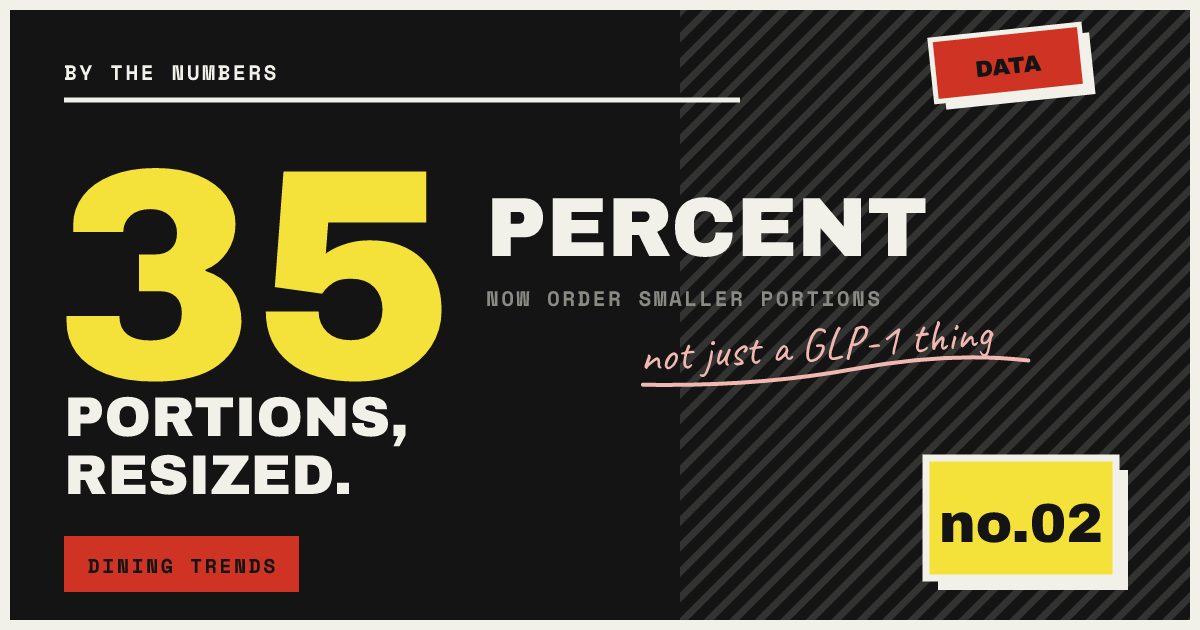
Not entirely. Medication use is the headline, but the appetite for smaller, smarter meals is much wider than the group actually taking a prescription. Circana found that 35% of all restaurant consumers reported ordering smaller portion sizes for health reasons. GLP-1 users also gravitate to more nutrient-dense dishes, with 63% actively seeking more vegetables. Meanwhile, the percentage of the US adult population taking GLP-1 medications rose to between 11% and 12% in 2026, up from 3% in 2024. That means a large share of everyone ordering the 'lighter' options was never on the drug to begin with — they're simply following the same cultural cue toward protein-first, portion-aware eating.
Interestingly, while GLP-1 usage doesn't appear to affect how often people go out to eat, ordering extra food like sides and appetizers is less common, and that is showing up in meaningful declines in sales for those categories. That's a habit anyone can pick up without a needle.
The Half-Portion Habit Anyone Can Borrow
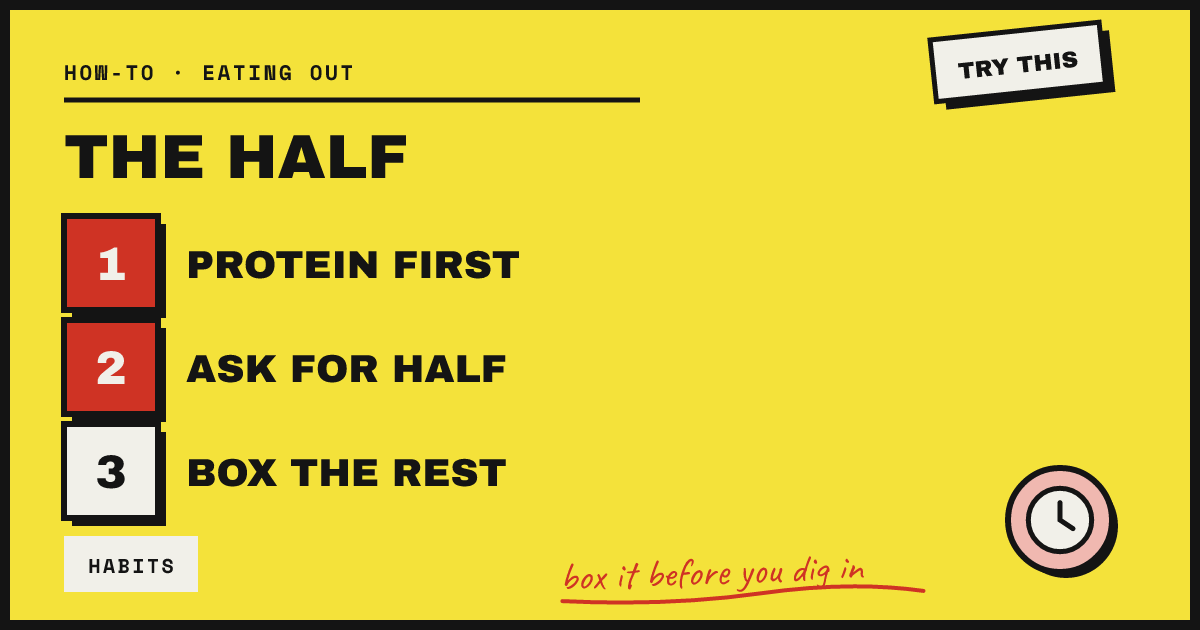
You don't need a GLP-1 prescription to eat like the menu was designed for one. GLP-1 users increasingly want half-sized and lunch-sized portions, protein-first options, and the ability to customize their meals when dining out. Those same requests work for anyone trying to feel comfortably full instead of overstuffed.
- Order the protein-forward item first, then decide if you actually want the side.
- Ask for a half portion or to-go box up front — plate what you'll eat before the rest tempts you.
- Treat dessert or fries as a deliberate choice, not a default add-on.
GLP-1 users purchase a meal, snack, or beverage from a restaurant an average of 7.6 times per week, versus 5.1 times per week among non-users — proof that this new normal isn't about eating out less, it's about eating out differently.
How to Enjoy the Foods You Love Without the Carb Crash
Portion swaps only go so far when the meal itself is carb-heavy — the burger bun, the pasta bowl, the rice-forward plate you actually crave. Korean herbal tradition has long paired meals like this with botanicals such as mulberry leaf, used for generations in hanbang practice to help the body handle carbohydrate-rich food more comfortably. That's the same thinking behind Cheating On, a plant-based formula designed to support your body around the carb-forward meals you're not willing to give up, so the occasional 'off-plan' dinner doesn't have to derail the whole week.
This is structure-and-function support for your daily habits, not a substitute for any prescription medication — think of it as backup for the meals real life still hands you.
Building a Protein-First Plate at Home
The menu shift is really just restaurants catching up to something nutritionists have said for years: protein and fiber first makes portion control feel effortless instead of restrictive. GLP-1 users seek out smaller portions packed with nutrients, with a focus on protein- and fiber-heavy foods that contain fewer carbohydrates. You can build the same plate at your own table.
Start meals with a lean protein source, fill a third of the plate with fiber-rich vegetables, and treat starches as the smallest section rather than the biggest. Pace yourself — most fullness cues take fifteen to twenty minutes to register, GLP-1 or not. And if snacking between meals is your weak point, keeping the kitchen stocked with protein-forward options makes the 'smaller plate' habit stick long after the restaurant trend fades.
Frequently Asked Questions
Do I need to be on a GLP-1 drug to order from these new menus?
No. Anyone can order from a 'GLP-1 friendly' or lighter menu section — the smaller portions and higher protein content benefit most diners, not just those on medication.
Why are restaurants adding protein-forward options even for non-GLP-1 customers?
Because demand for lighter, nutrient-dense meals is broad. Circana data shows a large share of all restaurant customers, not just GLP-1 users, are already choosing smaller portions for general health reasons.
Can herbal supplements help if I still want to eat carb-heavy meals sometimes?
Herbal, plant-based formulas can offer gentle support around occasional carb-forward meals as part of an overall healthy routine, but they aren't a substitute for medical treatment. Always check with a healthcare provider before adding a new supplement, especially if you take other medications.