If you've started a GLP-1 medication and noticed you're walking less or skipping workouts, new research says you're not imagining it. A study presented at the Endocrine Society's 2026 annual meeting found that people with obesity who lost weight while taking popular medications such as Ozempic, Wegovy, Mounjaro, and Zepbound became significantly less physically active, even as the number on the scale moved down. Paired with newer findings on lean mass loss, doctors are starting to treat movement and protein as part of the plan on a GLP-1 drug, not an afterthought.
Why Are People on GLP-1 Drugs Moving Less?
Researchers analyzing Fitbit data found that daily step counts and exercise levels dropped after people started these medications, despite successful weight loss. That's a surprising finding, since many people assume that shedding excess weight naturally makes it easier to move more, but researchers found the opposite trend among people taking these medications.
One theory is simple: eating less means less fuel on board, and feeling less hungry doesn't automatically translate to feeling more energetic. Because the drugs can reduce muscle mass along with fat, the decline in physical activity raises concerns about preserving strength and long-term health.
Does Ozempic Cause Muscle Loss?
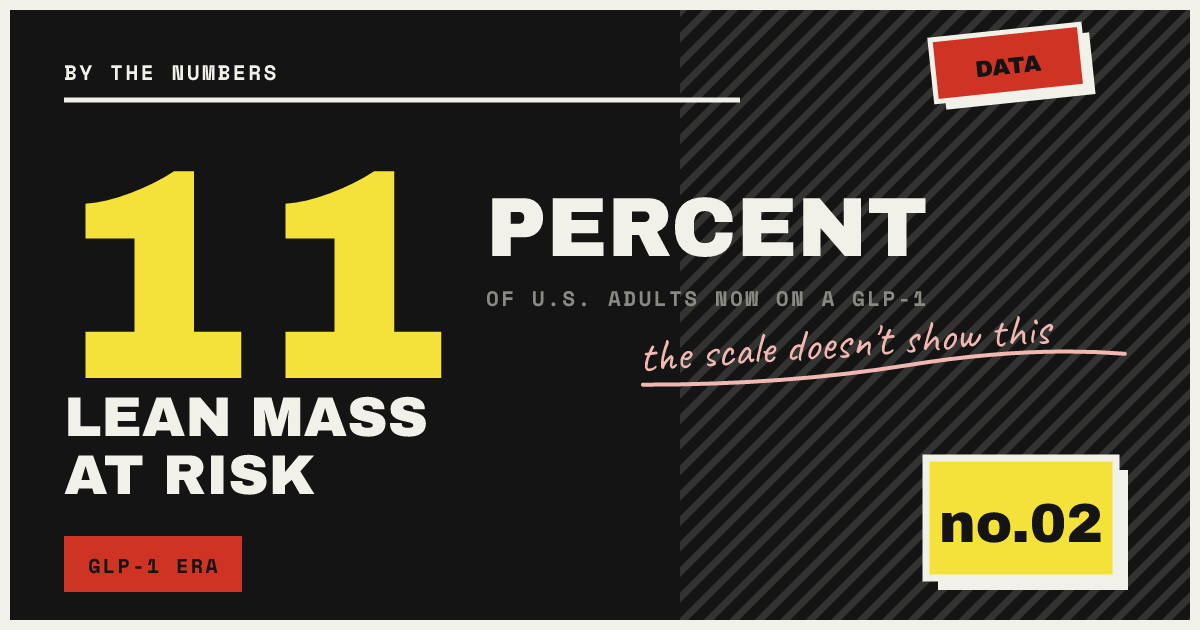
Yes, to some degree — though the full picture is more nuanced than early headlines suggested. Several large studies in recent years had suggested that people taking GLP-1 drugs such as Zepbound or Wegovy were losing outsize proportions of their muscle mass while also shedding body fat. More recent research is tempering that concern somewhat, with newer data suggesting GLP-1s may not shrink muscle quite as much as once feared, while still underscoring how much exercise matters during treatment.
The ratio also isn't fixed. One trial combining semaglutide with an antibody that blocks activin and myostatin signaling, over 72 weeks, cut the lean-mass share of total weight lost from roughly 21 percent down to about 7 percent. That matters because this conversation now touches a huge share of the population: the percentage of U.S. adults taking these weight loss drugs has risen to 11% this year, from 3% just two years ago.
Why Losing Muscle Matters More Than the Scale
Muscle isn't just about tone — it's tied to how your body uses energy day to day, and it's what keeps you steady, strong, and capable as weight changes. That's exactly why researchers are paying closer attention to what's happening beneath the number on the scale. Popular weight-loss drugs can dramatically curb appetite, but experts warn many users are flying blind when it comes to nutrition, increasing the risk of muscle loss and nutrient deficiencies.
It's also worth noting this isn't only an adult conversation. GLP-1 medications have resulted in substantial weight loss in adolescents, but trials in teens rarely assess bone density, lean mass, or neurodevelopment. The takeaway across age groups is the same: weight loss and muscle preservation are two different goals, and only one of them shows up on a bathroom scale.
Protein's Role in Protecting Muscle
Eating enough protein becomes more important, not less, when appetite is suppressed. With smaller meals and less total food, every bite needs to work harder nutritionally — and protein is the nutrient most directly tied to preserving lean tissue during weight loss.
Movement matters just as much as what's on the plate. Resistance training two to three times per week is considered the highest-impact intervention for preserving muscle during GLP-1 treatment, and some clinicians also point to simple additions like creatine, since creatine monohydrate has moderate evidence for lean mass preservation during caloric restriction. None of this requires an extreme overhaul — just consistency, and a plan made with a healthcare provider who knows your full picture.
Small Movement Habits That Add Up
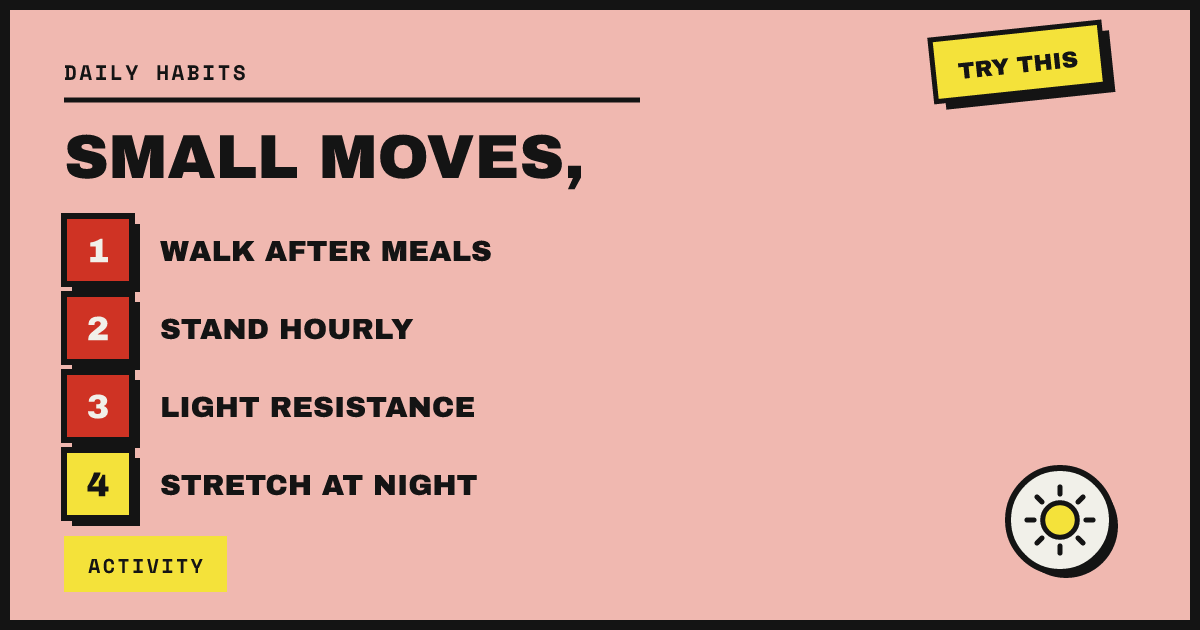
You don't need a gym membership to counter the "moving less" effect — you need habits low-energy days won't wipe out.
- Take a 10-minute walk after your largest meal of the day.
- Stand or stretch once an hour if you work at a desk.
- Add two short resistance sessions a week, even just bodyweight moves.
- Keep mornings active before energy dips later in the day.
A simple morning ritual can help anchor that first habit. Many people pair a short walk with something warming, like VYNEHERB's Burning On morning metabolism drink stick, as a cue to get moving before the day gets away from them — not as a substitute for medical guidance, but as a small, repeatable nudge.
Where Herbal Support Fits In
VYNEHERB isn't a replacement for prescription treatment, and we'll never suggest starting or stopping a GLP-1 medication — that's a conversation for you and your doctor. What herbal formulas rooted in Korean hanbang tradition can offer is gentler, everyday support for appetite habits and energy, the kind of small daily ritual that sits alongside, not instead of, whatever plan your provider has you on.
If you're navigating life on or after a GLP-1 and looking for where to start building better daily habits, a structured routine — paired with protein, movement, and enough rest — tends to matter more than any single product.
Frequently Asked Questions
Does Ozempic cause muscle loss?
Some lean mass loss is common with any significant weight loss, including on GLP-1 medications. Newer research suggests the amount may be smaller than early studies implied, and that resistance training and adequate protein can meaningfully change the outcome.
How can I help prevent muscle loss while on a GLP-1 drug?
Clinicians generally point to two habits: prioritizing protein at meals and adding resistance training a few times a week. Talk to your healthcare provider about what's appropriate for your specific plan and medication.
Is it normal to feel less motivated to exercise on a GLP-1 medication?
Yes — research analyzing activity trackers found that people took fewer steps and exercised less after starting these medications, even while losing weight. Building small, low-effort movement habits into your day can help counter that dip.