New research presented at ENDO 2026, the Endocrine Society's annual meeting, found something surprising: people taking GLP-1 drugs like Ozempic, Wegovy, Mounjaro, and Zepbound tend to move less as they lose weight, not more. Daily step counts and everyday activity levels dropped over the course of treatment, even as the number on the scale went down. For the roughly 41 million Americans who have tried a GLP-1 medication, that raises an important question: what happens to your metabolism when you're eating less and moving less at the same time?
What the New Research Actually Found
Researchers analyzing real-world Fitbit data discovered that people with obesity who lost weight while taking popular medications such as Ozempic, Wegovy, Mounjaro, and Zepbound became significantly less physically active, according to research presented at ENDO 2026, the Endocrine Society's annual meeting in Chicago.
The finding runs counter to a common assumption: that shedding extra pounds naturally frees people up to move more. Instead, the opposite trend showed up in the data, and it's prompting researchers to look more closely at what's really happening inside the body during GLP-1 treatment.
Does Losing Weight on a GLP-1 Mean You're Only Losing Fat?
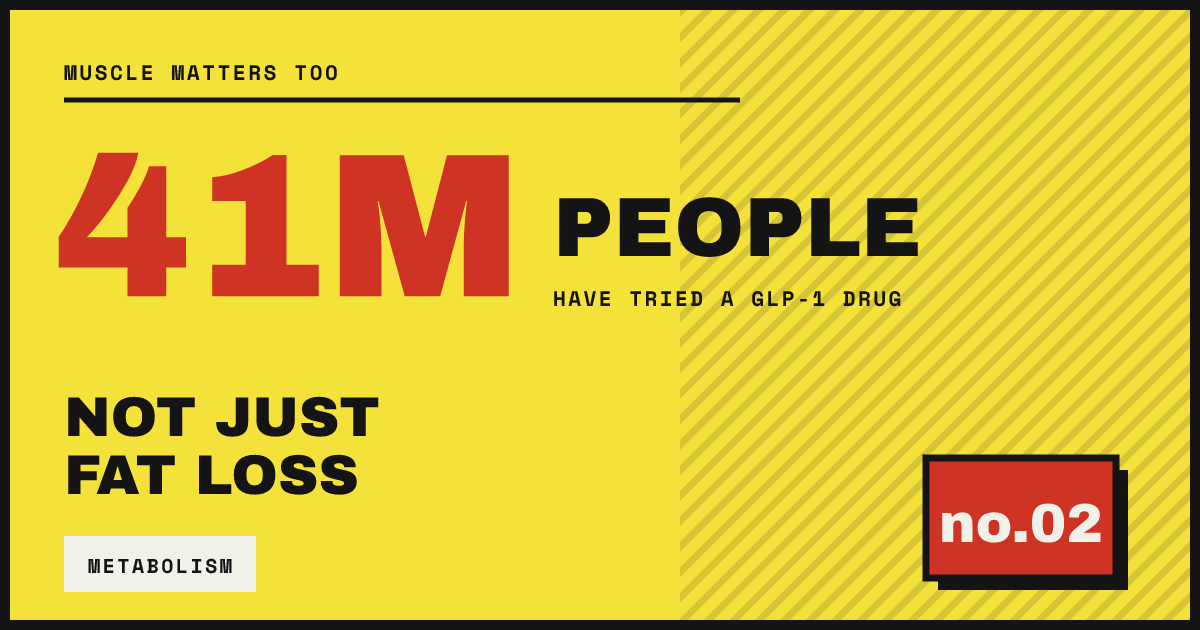
Not necessarily. Some early research suggests that GLP-1 medications may lead to significant muscle loss, sometimes accounting for a large share of total weight lost, alongside fat.
That distinction matters. Muscle isn't just about strength — it's metabolically active tissue that helps regulate blood sugar, supports daily energy expenditure, and keeps your body burning calories even at rest. Losing a meaningful amount of it, especially without a plan to protect it, can quietly change how your body responds to food and movement over time.
Why Do People Move Less While They're Losing Weight?
Part of the answer may lie in a concept called adaptive thermogenesis. As the body loses weight, muscles can become more mechanically efficient, meaning they burn fewer calories to do the same amount of work — which can contribute to the plateaus and slowdowns many people notice over time.
Reduced appetite and lower overall food intake may also mean less fuel available for spontaneous movement throughout the day — the fidgeting, pacing, stair-climbing, and errand-running that adds up more than most people realize.
The NEAT Factor: Why Movement Outside the Gym Matters So Much
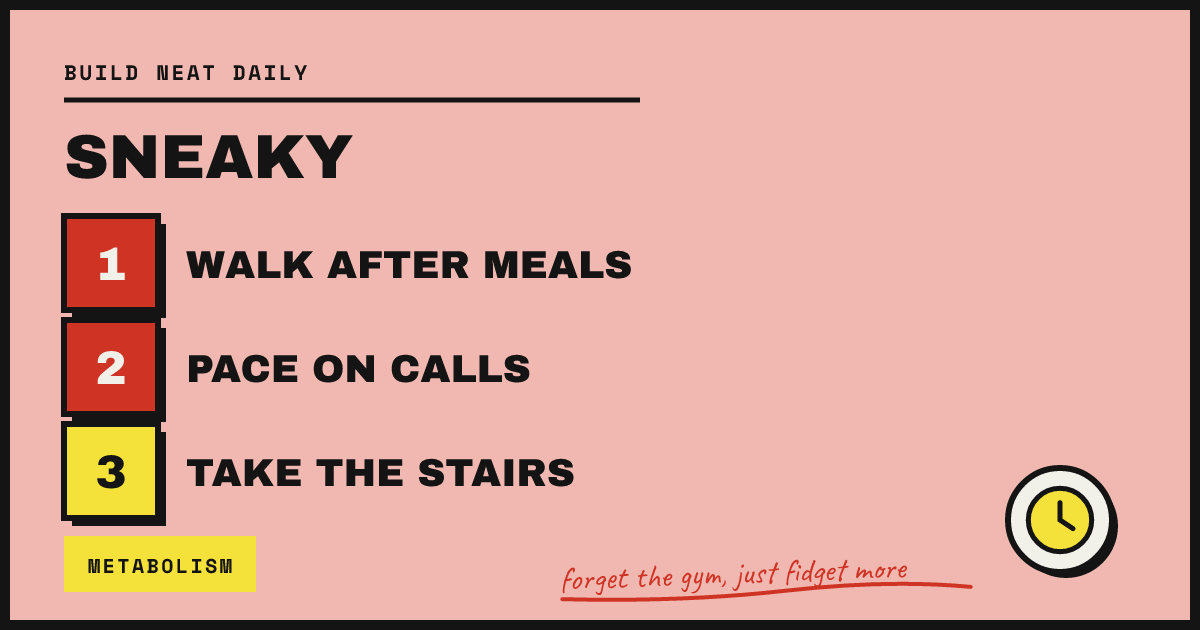
Non-exercise activity thermogenesis, or NEAT, is the energy your body burns through everyday movement — everything except intentional workouts. Increasing non-exercise activity is considered one of the most effective, sustainable ways to support daily energy balance over the long run.
Small, repeatable habits tend to move the needle more than a single hard workout. A few worth building into your week:
- Taking a short walk after meals instead of sitting right down
- Standing or pacing during phone calls
- Choosing stairs when they're an option
- Setting an hourly reminder to stand up if you work at a desk
Where Herbal Energy Support Fits Into the Picture
Korean red ginseng has been used in traditional medicine for centuries as a fatigue aid, and modern research is beginning to explore why. A recent randomized study found that adults dealing with everyday fatigue reported lower fatigue scores after several weeks of red ginseng extract, and researchers studying its mechanisms point to its potential role in supporting mitochondrial energy metabolism — the cellular process that helps convert nutrients into usable energy.
This is exactly the kind of gentle, foundational support VYNEHERB was built around — not a replacement for movement or medical care, but a daily habit that can make it a little easier to feel energized enough to actually get up and move. Our Burning On morning metabolism drink stick blends traditional Korean herbal ingredients into a simple daily ritual designed to support energy and metabolism from the start of your day.
Building Movement Back Into Your Routine, Gently
If you're on a GLP-1 medication or considering one, this research isn't a reason to worry — it's a reason to be intentional. Pairing any weight-management approach, herbal or pharmaceutical, with adequate protein intake and regular movement gives your body the best chance of protecting the muscle and metabolic health that make long-term results sustainable.
None of this is medical advice, and decisions about starting, adjusting, or stopping a prescription medication should always be made with your healthcare provider. What you can control on your own, starting today, is how much you move and how you support your energy through the day.
Frequently Asked Questions
Do GLP-1 drugs cause muscle loss?
Some early research suggests GLP-1 medications can lead to a meaningful loss of lean muscle mass alongside fat, which is why many clinicians recommend pairing treatment with adequate protein and resistance activity. Always discuss muscle-preserving strategies with your healthcare provider.
What is NEAT and why does it matter for weight management?
NEAT stands for non-exercise activity thermogenesis — the energy you burn through everyday movement like walking, standing, and fidgeting, separate from formal workouts. Building more NEAT into your day is considered a sustainable way to support overall energy balance over time.
Can herbal supplements replace a GLP-1 medication?
No. Herbal ingredients like Korean red ginseng may offer gentle support for everyday energy and metabolism, but they are not equivalent to, or a substitute for, prescription GLP-1 medications. They're best thought of as a different, complementary lane focused on daily habits and wellness.