GLP-1 drug prices finally dropped in 2026 — some pill and injectable doses now start around $149 a month, and Medicare enrollees can pay as little as $50 under a new bridge program. But the 'as low as' number in the ads rarely matches what actually shows up at the pharmacy counter, because your dose, your insurance status, and your employer's plan still swing the real price by hundreds of dollars. A growing list of major employers is also quietly dropping weight-loss coverage altogether. Here's what actually changed, what the fine print leaves out, and where a steady herbal habit can help while you sort out the rest.
What's Actually Changed: GLP-1 Prices in 2026
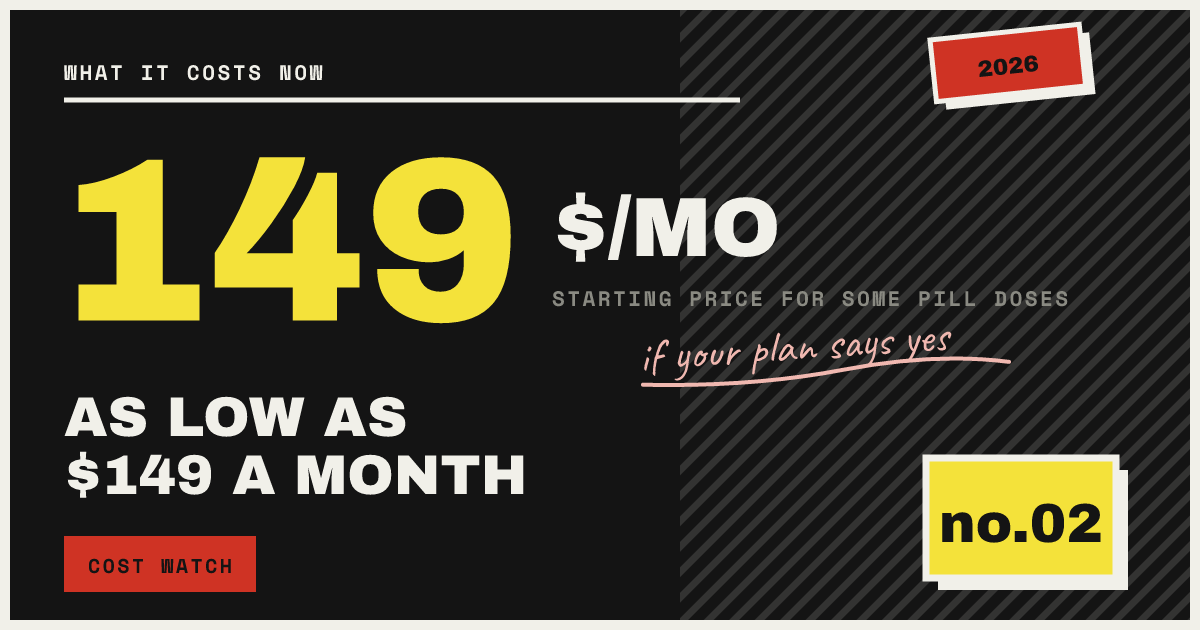
For years, the number everyone quoted for Ozempic, Wegovy, or Zepbound was eye-watering. Even with supply restored, the drugs' high cost – often exceeding $1,000 per month before rebates – continues to present a conundrum for employers, insurers, and governments. In 2026, that number finally started to move. Advertised US self-pay prices for obesity GLP-1 medicines now run from $149 per month for some pill doses up to $449 per month for most Zepbound maintenance doses. That's real progress — but it's not the whole story.
How Much Do GLP-1 Drugs Cost Right Now?
The honest answer: it depends entirely on the drug, the dose, and who's paying.
- Wegovy runs roughly $149 to $349 a month depending on pill or pen and dose through manufacturer direct programs.
- Zepbound runs roughly $299 to $449 a month depending on dose.
- Foundayo, Lilly's newer oral option, runs roughly $149 to $299 a month depending on dose.
- People with commercial insurance that covers the drug can pay as little as $25 a month with a savings card.
Those lowest numbers assume your plan already approves the drug. Without insurance, the lowest dose starts at $149 a month — a prescription is still required either way.
Why Are Employers Cutting GLP-1 Coverage?
Because the drugs have quietly become one of the biggest line items on corporate health plans. PepsiCo will end coverage of weight loss drugs like Wegovy and Zepbound for employees in October, telling staff the medications 'have become one of the fastest-growing costs in the PepsiCo plans'. Starbucks confirmed it will stop covering GLP-1s prescribed for weight loss for benefits-eligible employees beginning in October, while continuing coverage for diabetes and other approved conditions. Across the board, firms are tightening utilization controls and cost sharing rather than dropping coverage outright, largely because brand name injectables typically carry a list price of $1,000 to $1,500 a month, and employers can end up paying 70 to 100 percent of that for each covered member.
The Medicare GLP-1 Bridge, Explained
If you're on Medicare, there's a temporary program worth knowing about. The Medicare GLP-1 Bridge, running from July to December 2026, covers the Wegovy injection and oral tablets and the Zepbound KwikPen for a flat $50 monthly copay, with CMS covering the remaining balance of the $245 monthly cost. It's genuinely useful if you qualify — but it's a bridge, not a permanent fix, and GLP-1 insurance coverage for weight loss is not guaranteed and varies significantly by plan type, with private insurance often excluding these medications.
The Catch Behind the Lower Price
Lower headline prices don't automatically mean a lower bill. Wegovy's advertised $149 monthly price applies to its lowest pill dose, while higher doses and injectable options cost more, so patients should compare ongoing prescription costs, insurance eligibility, and discount restrictions before starting treatment. Many of the current deals are also temporary: several savings cards and temporary prices are scheduled to end on December 31, 2026. And as cheaper options spread demand, researchers are flagging a separate risk — low-cost compounded versions may carry serious safety risks, and counterfeit Ozempic remains a real problem patients should watch for. None of this is a reason to panic. It's a reason to read past the ad.
Where Herbal, Daily-Habit Support Fits In
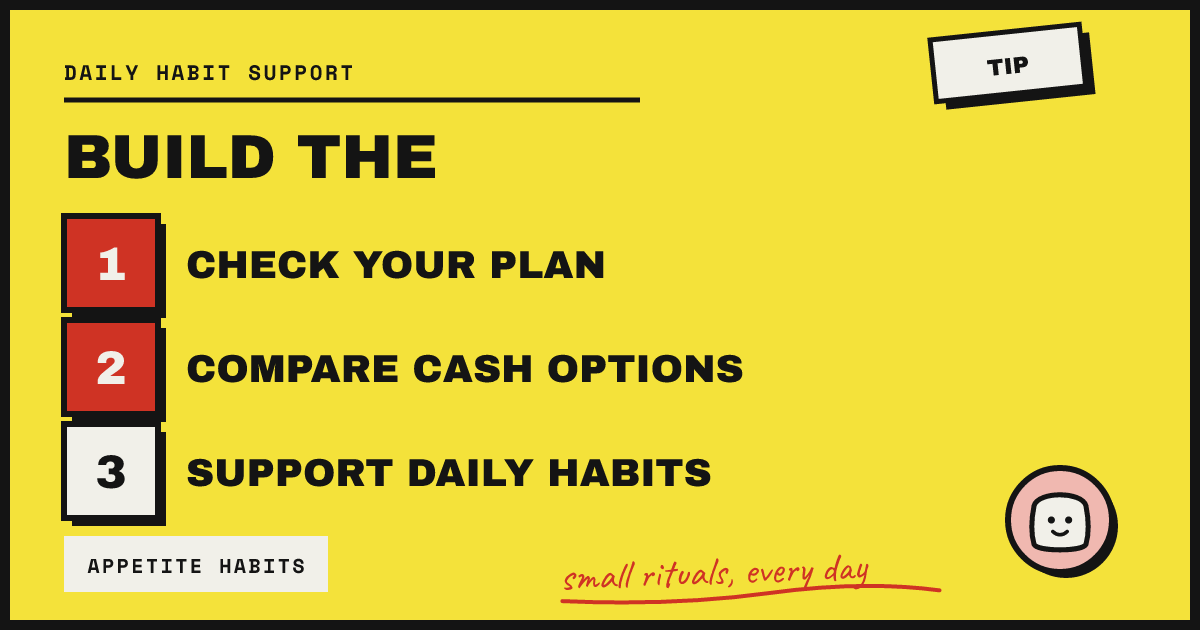
Whether you're mid-prescription, priced out this year, or simply deciding what's next, one thing doesn't need insurance approval: your daily appetite habits. VYNEHERB isn't a substitute for prescription treatment and we'll never suggest starting or stopping a medication — that's a conversation for you and your doctor. But for the in-between moments, a quick herbal ritual like MooMoo Jelly is built around traditional Korean botanicals meant to support a steadier, more mindful approach to cravings, no prescription required. Think of it as a different lane entirely — gentle, daily support that works alongside whatever path you're on.
Frequently Asked Questions
How much does Ozempic or Wegovy cost in 2026?
Prices vary widely by drug, dose, and insurance. Self-pay prices for pill forms start around $149 a month, while injectable maintenance doses can run $300–$450, and insured patients with coverage may pay as little as $25.
Will my insurance cover a GLP-1 drug for weight loss?
It depends entirely on your specific plan — coverage is not guaranteed, and some large employers have recently dropped weight-loss coverage while keeping it for diabetes. Checking your formulary directly with your insurer or pharmacist is the only reliable way to know your real cost.
Can herbal supplements replace a GLP-1 medication?
No. Herbal supplements are not equivalent to, and should never be used as a substitute for, prescription GLP-1 medications. They're best thought of as gentle, daily support for appetite habits — a different lane entirely, best discussed with a healthcare provider if you're also on medication.