Yes — a growing body of 2026 research confirms that GLP-1 drugs like Ozempic, Wegovy, Mounjaro, and Zepbound are linked to a real, measurable increase in hair shedding. A large study published in The BMJ this July found that adults using these medications developed hair loss more often than people taking other common diabetes drugs. The reassuring part: for most people, this shedding is temporary, tied closely to rapid weight loss and nutrient gaps rather than the drug itself, and it's largely manageable with a few deliberate daily habits.
Does Ozempic Cause Hair Loss?
Hair shedding on GLP-1 medications is a documented, if still developing, side effect. Researchers found that adults with type 2 diabetes who used GLP-1 receptor agonists developed alopecia more often than patients taking two other common types of diabetes medication, according to a BMJ study. It's also become a much bigger part of the cultural conversation this year — what was once considered a minor footnote in product trials has quickly become one of the most talked-about side effects of the GLP-1 surge. Dermatologists are quick to add nuance, though: this isn't the drug attacking your follicles directly. It's mostly what rapid weight loss does to a body that isn't getting enough of certain nutrients.
Why Rapid Weight Loss Triggers Shedding
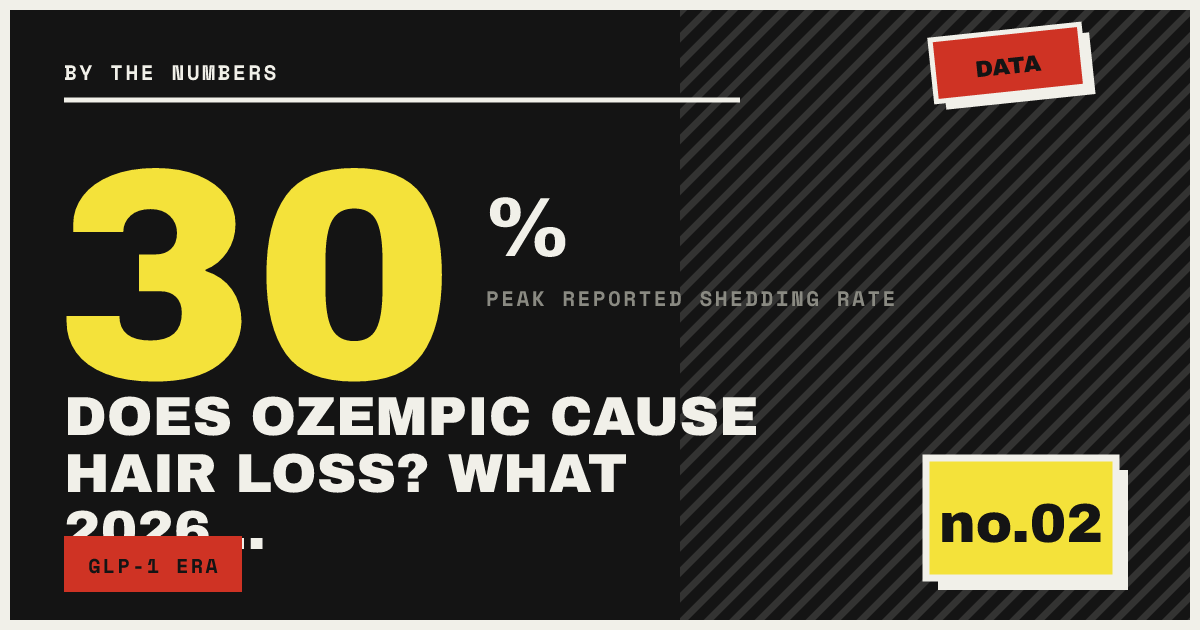
Most GLP-1-related hair loss follows a pattern called telogen effluvium — a temporary, non-scarring shedding that shows up when the body experiences a sudden metabolic shock. Clinicians describe it plainly: hair loss appears in a small segment of patients as telogen effluvium, a temporary, non-scarring alopecia tied to rapid weight loss and inadequate nutrition. The mechanism makes sense once you understand hair growth cycles — substantial caloric restriction and rapid adipose loss can precipitate telogen effluvium through transient nutritional deficiencies in iron, zinc, protein, or other micronutrients, alongside systemic metabolic stress. In plain terms: when you eat dramatically less, your hair follicles quietly get pushed into a resting phase all at once, and a few months later, that shows up as shedding in the shower.
The Nutrient Gap Behind the Shedding
The common thread across almost every study on this topic is nutrition, not the drug's mechanism itself. Patients who aren't intentional about nutrition can easily fall short on key micronutrients for hair growth, including iron, zinc, vitamin D, and B-complex vitamins like B12 and folate. Protein deserves special attention here, since hair is largely built from keratin, so inadequate protein intake intensifies shedding. That's a tough ask when appetite is deliberately suppressed and many people are eating a fraction of their usual meals — often the exact nutrients hair needs most are the first things to slip.
- Protein — the structural building block of hair
- Iron — supports oxygen delivery to the follicle
- Zinc, B12, and folate — cofactors in the hair growth cycle
- Vitamin D — linked to follicle cycling
How Long Does GLP-1 Hair Shedding Last?
For most people, this is a temporary chapter, not a permanent state. Research suggests most cases are temporary, peaking 3-6 months after the metabolic trigger and recovering with continued attention to protein intake, nutrient sufficiency, and titration pace. Dermatologists echo that timeline in practice: "Typically, if the weight stabilizes, the hair should too," one board-certified dermatologist noted, while cautioning that because hair takes a long time to grow, changes might not be visible for six to twelve months. Patience — paired with better nutrition along the way — tends to matter more than any single product.
Building a Simple Protein-First Protection Plan
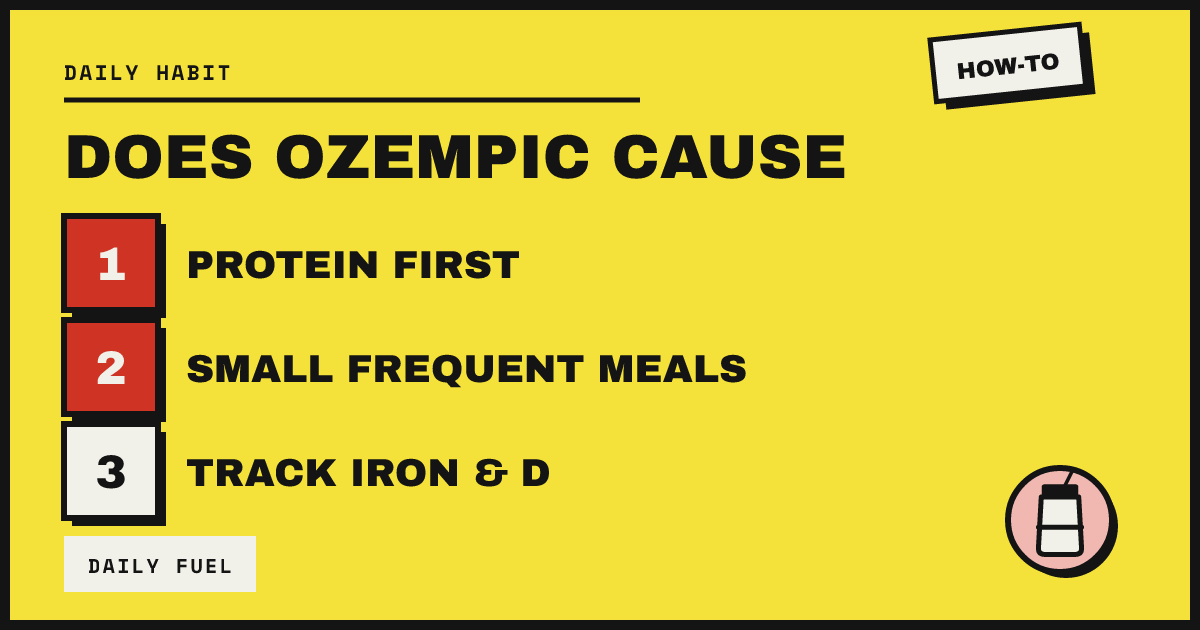
If you're currently on a GLP-1 medication, tapering off one, or simply eating less as appetite naturally settles, the single most useful habit is front-loading protein at every meal you do eat. Researchers point to this directly: adequate protein intake is described as the single highest-leverage intervention for protecting hair through a period of rapid weight change. Because meals are smaller and less frequent, it helps to make each one count — a scoop of a clean daily plant protein stirred into water or a smoothie is an easy way to close the gap without needing to eat a large plate of food you may not have appetite for. Pairing that with a basic bloodwork check for iron and vitamin D, done with your healthcare provider, rounds out the plan.
Where Hanbang Wisdom Fits In
Long before GLP-1 drugs existed, Korean herbal medicine treated the body's nutrient reserves as something to actively nourish during any big dietary shift — not an afterthought. That's the same philosophy behind VYNEHERB: herbs and modern nutrition working together, not one replacing the other. We don't position any herb as a fix for hair shedding, and we'd never suggest a supplement can substitute for real food or medical guidance. What traditional practitioner-reviewed formulas can do is support the daily basics — steady energy, digestion, and nutrient intake — while your body adjusts to eating differently, whatever the reason.
Frequently Asked Questions
Is GLP-1 hair loss permanent?
For most people, no. It's typically classified as telogen effluvium, a temporary shedding pattern tied to rapid weight loss and nutrient shortfalls, and hair regrowth tends to follow once weight and nutrition stabilize.
Which GLP-1 drugs are linked to hair loss?
Studies have looked at semaglutide (Ozempic, Wegovy), tirzepatide (Mounjaro, Zepbound), and liraglutide (Saxenda), with some research suggesting the signal may be somewhat stronger with tirzepatide. Always discuss any side effect with your prescribing provider.
Can diet alone prevent GLP-1-related shedding?
Diet won't guarantee prevention, but prioritizing protein, iron, zinc, and vitamin D appears to meaningfully lower the risk and shorten the recovery window. Speak with a healthcare provider about bloodwork if you're concerned about specific deficiencies.