A short walk after eating — even just five to ten minutes — measurably blunts the blood sugar spike that follows a meal, and timing it within about an hour of your last bite seems to matter more than how far you actually go. This isn't news in Korea, where the after-dinner stroll has been part of daily life for generations, long before anyone was tracking glucose curves on an app. What's new is the growing pile of research now explaining exactly why it works, how many minutes you really need, and how it connects to bigger metabolism questions — from NEAT to midlife hormonal shifts.
How Long Should You Walk After Eating?
Somewhere between five and fifteen minutes is the range most studies point to, taken within about an hour of finishing your meal. For many people, an easy 10-minute walk is a manageable place to start; studies using 15-minute bouts provide stronger direct evidence for some groups.
You don't need a brisk pace or a step-count goal to see a benefit. Research shows that physical activity right after a meal, starting at a mere two to five minutes of walking, can have a beneficial impact on post-meal hyperglycemia.
Timing matters almost as much as length. The best time to walk appears to be within 60 to 90 minutes after eating, the window when blood sugar levels typically peak.
Why Such a Short Walk Actually Moves the Needle
The mechanism is purely mechanical. Contracting muscles pull glucose directly out of the bloodstream through a pathway that doesn't wait for insulin. Your legs, in other words, become a second drain for the sugar entering your blood right after a meal.
In one widely cited trial comparing walking schedules, a 15-minute walk about a half an hour after each meal was as effective at reducing blood sugar as a single 45-minute morning or late afternoon walk. Even more interesting, the quick walk after dinner was more effective than the longer afternoon walk at lowering blood sugar overnight into the next day.
That's the appeal of this habit: it asks for almost nothing, delivered right when your body needs it most.
The After-Dinner Stroll Korea Never Gave Up
Long before glucose monitors existed, Korean households built movement into the end of a meal. Koreans traditionally believe gentle movement after eating helps digestion and prevents discomfort.
It isn't framed as exercise. In Korea, post-dinner strolls are more than a walk; they're a gentle ritual for digestion and a social escape — a slow lap around the block or a riverside path, no workout clothes required.
It's a small, telling example of a theme that runs through traditional Korean wellness thinking: a plain daily habit, repeated without fanfare, often outperforms any single dramatic fix.
Does It Matter If You Walk Before or After Eating?
Yes, and the difference is bigger than most people expect. In controlled comparisons, walking after a meal pulled glucose levels down compared to sitting still, while the same walk done before eating had no measurable effect on glucose at all.
The explanation is mechanical, not magical: the glucose-clearing effect only kicks in while a meal is actively being digested, so a pre-meal walk simply has nothing to intercept yet.
There's a digestive bonus, too. Walking after eating for 10 to 15 minutes has been shown to help adults who frequently experience bloating feel markedly less so after eating.
Walking, NEAT, and the Midlife Metabolism Slowdown
Post-meal walking is really just one visible slice of a bigger idea researchers call NEAT — non-exercise activity thermogenesis, or the movement you rack up outside of formal workouts. One often-cited overfeeding study found that rising NEAT predicted who resisted fat gain, averaging 336 extra calories burned per day through everyday movement alone.
NEAT becomes especially relevant in perimenopause and menopause. Declining estrogen makes the body more insulin resistant, which affects metabolism, appetite, and where fat gets stored. Poor sleep compounds the problem — one study tracking sleep fragmentation alongside estrogen loss found roughly a 33% reduction in fat-burning capacity.
None of this calls for a dramatic overhaul. Stacking a short, consistent walk onto meals is one of the few habits that works with these hormonal shifts instead of against them, and on days you want extra daily metabolic support alongside that habit, a formula like Slim Effector is built to complement a routine like this, not replace it.
How to Build the Habit Without Overthinking It
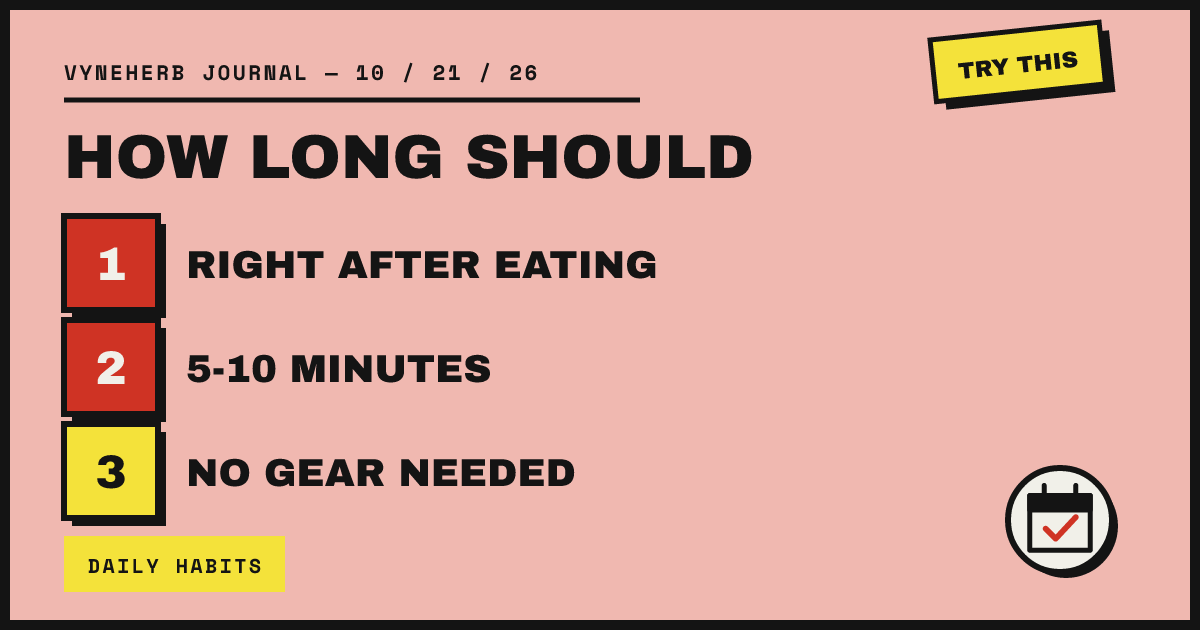
The research is consistent on one point: consistency beats intensity. A few ways to make the habit stick:
- Stand up within 10-15 minutes of finishing a meal, especially dinner.
- Keep the pace relaxed — this is a stroll, not a cardio session.
- Five minutes on a busy day beats zero minutes; add time as it becomes routine.
- Pair it with something pleasant, like a call or a neighborhood lap, so it doesn't feel like a chore.
If you take medication that affects blood sugar, it's worth checking with your healthcare provider before changing your routine around meals.
Frequently Asked Questions
Do I need to walk after every single meal?
Not necessarily. If you can only fit in one walk a day, research suggests the post-dinner walk delivers the most noticeable overnight benefit, so that's the one worth prioritizing first.
Is walking right after eating bad for digestion?
For most people, a gentle stroll supports digestion rather than hurting it. If you feel uncomfortable walking immediately, waiting five to ten minutes and starting at an easy pace is a reasonable adjustment.
Can walking after meals help with weight management long-term?
It's one small, repeatable piece of a bigger NEAT picture rather than a standalone fix. Combined with consistent meals, sleep, and protein intake, it's a habit that supports daily metabolic health over time.