
The 30-30-30 method works as a habit-builder, not as a proven standalone weight-loss formula. The individual pieces — eating protein soon after waking and moving gently in the morning — have real support in nutrition science, but the exact '30 grams, 30 minutes, 30 minutes' package hasn't been tested as a whole in any clinical trial. That doesn't make it worthless; it just means the viral version oversells what's really a repackaging of old, sensible habits. Here's what the research actually says about each half, and a calmer, hanbang-informed way to borrow the parts worth keeping.
Does the 30-30-30 Method Work for Weight Loss?

It can help some people lose weight, but not because of any special 30-minute window — the benefit comes from the two habits layered inside it. While 30-30-30 is based in some key practices of good health, it also oversimplifies diet and exercise by leaving out a few critical components. There are no direct research studies examining the exact combined method and its effect on a group of people. So the honest answer is: the routine is reasonable, but it's not the metabolic magic trick the videos promise.
What Is the 30-30-30 Method, Exactly?
The method involves eating roughly 30 grams of protein within the first 30 minutes after waking, followed by 30 minutes of low-intensity, steady-state cardio that keeps your heart rate at or under about 135 beats per minute. It traces back to Tim Ferriss's 2010 book 'The 4-Hour Body,' but it went viral years later after biohacker Gary Brecka described it on TikTok. Walking, easy cycling, and light yoga all count for the cardio half; the protein half is meant to come from whatever breakfast foods you already eat, as long as the total hits around 30 grams.
Does Eating Protein Right After Waking Curb Cravings?
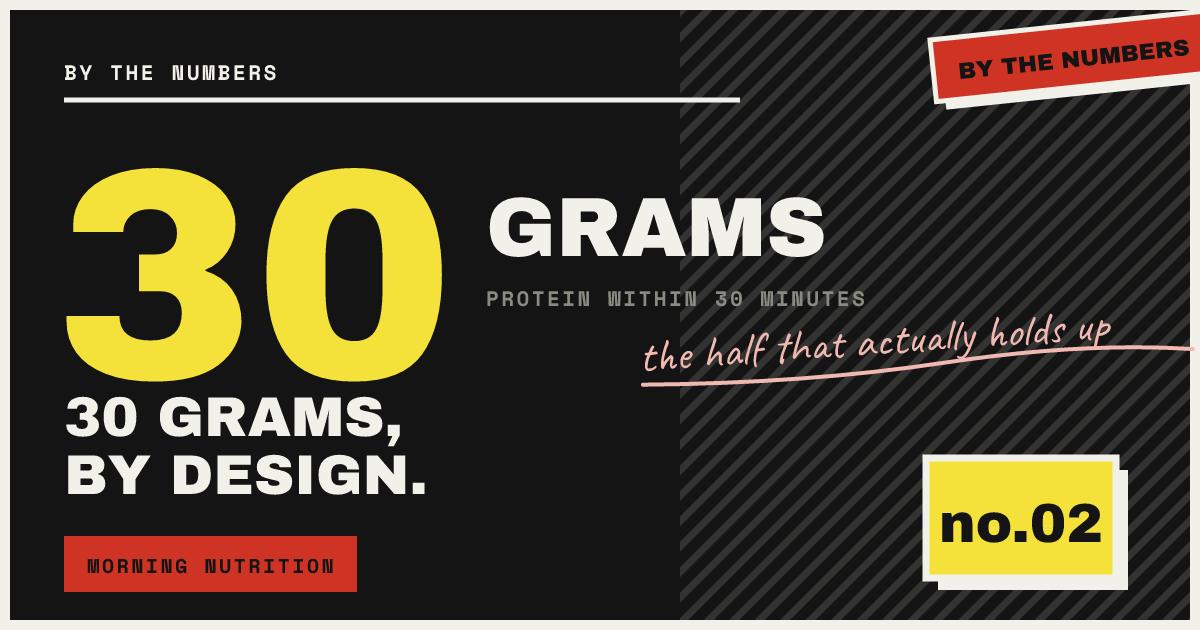
Yes, and this is the part of the trend with the strongest evidence behind it. Eating protein first thing won't directly cause weight loss on its own, but protein is filling, which can help you feel fuller and eat less overall through the day. There's evidence that protein at breakfast supports satiety, blood sugar control, and insulin sensitivity, and a higher-protein diet overall may support weight management. It also quietly fixes a real gap: in a typical Western diet, breakfast tends to be the lowest-protein meal of the day, so front-loading protein helps ensure you hit your daily total.
The Cardio Half: Where the Trend Oversells Itself
The science here is much thinner. One Cleveland Clinic dietitian put it plainly: there are some potential benefits to the 30-30-30 approach, but it isn't backed by dedicated data. Morning movement in general is tied to good metabolic outcomes, but that comes from consistent daily activity over weeks and months — not from hitting an exact 30-minute window after eggs. Most adults trying to lose weight need well over 200 minutes of movement a week, and the trend's steady-state-only framing can also sideline strength training, which matters for preserving muscle. Treating the timing as a hard rule can add pressure without adding real benefit.
A Hanbang-Informed, Saner Version of 30-30-30
Traditional Korean herbal medicine has long favored a light, warming breakfast paired with gentle movement, on the idea that digestion and energy work best when the morning isn't rushed or forced. You don't need a stopwatch to borrow that logic. A protein-forward breakfast — eggs, Greek yogurt, tofu, or a plant-based shake — paired with an easy walk captures most of what the viral version promises, without the pressure of a 30-minute countdown. On genuinely busy mornings, a warming metabolism-support drink like Burning On can slot into that first-30-minutes window as a gentle nutritional cue, giving your body a reason to wake up its metabolism even on days a full cooked breakfast isn't realistic.
Who Should Rethink This Routine
Some people should adjust rather than adopt it exactly as filmed. The method isn't harmful to try, but it isn't one-size-fits-all — if you can't stomach a protein-rich breakfast or can't fit in morning workouts, it may not be the right fit for you. Flexible, repeatable habits tend to outlast rigid 30-minute rules, so shifting the cardio to lunch or evening, or spreading protein across two smaller meals, keeps the benefit without the stress. Anyone managing a medical condition or new to structured exercise should check with a healthcare provider before building a new morning routine around it.
Frequently Asked Questions
Is the 30-30-30 method backed by scientific studies?
Not as a complete package. No clinical trial has tested the full combined routine, though the individual habits inside it — a protein-rich breakfast and regular low-intensity movement — are well supported on their own.
Can I do the cardio part later in the day instead of right after breakfast?
Yes. The specific 30-minute window after eating isn't what drives results; consistent daily movement and a protein-forward breakfast are the parts worth keeping, regardless of exact timing.
What if I can't eat 30 grams of protein first thing in the morning?
Start with whatever amount is realistic and build from there. Any protein at breakfast is better than none, and spreading your intake across the morning still supports the same fullness and blood-sugar benefits the trend is chasing.