New research has linked GLP-1 drugs like Ozempic and Wegovy to a slightly higher risk of a rare eye condition that can cause sudden vision loss in one eye. The condition, known as NAION, remains uncommon, and the researchers behind the newest study are careful to say they have not proven the drugs directly cause it. Still, with millions of Americans now on GLP-1 therapy, this is a headline worth understanding clearly, not fearing blindly.
Does Ozempic Cause Vision Loss?
The honest, current answer is: possibly, in rare cases, but nothing is settled.
Popular diabetes and weight loss drugs such as Ozempic and Wegovy have been linked to a slightly increased risk of a rare condition that can cause sudden, potentially permanent vision loss. The study, led by Rutgers University researchers and published in the journal Annals of Internal Medicine, is one of the largest to look at this question so far.
Although the risk remains very low, the researchers say the findings warrant attention as millions of people turn to GLP-1 medications. That framing matters: a rare risk is not the same thing as a common one, but it is still worth knowing about.
What Exactly Is NAION?
NAION stands for non-arteritic anterior ischemic optic neuropathy — a mouthful that basically describes a sudden interruption of blood flow to the optic nerve. One patient's doctor described it simply as an inoperable condition caused by tiny strokes that cut off blood flow to his eye, which captures the essence: it is a vascular event in the eye, not an infection or injury.
Rather than causing complete blindness, the condition usually affects part of the vision in one eye, and patients may notice sudden blurriness, dimming, or missing areas in their field of view. Recovery is possible but not guaranteed. Roughly one-third of affected patients experience some recovery, usually within the first six months, though even when improvement occurs, some degree of visual impairment typically remains.
What the New Research Actually Found
Separate reporting has added useful texture to the picture. Reviewing an FDA adverse-event database, NPR found more than 1,000 reports of optic neuropathy linked to GLP-1s since 2024, out of nearly 190,000 total reports made about the drugs over that period, most of which involved minor gastrointestinal issues, dosing errors, or injection site redness. That ratio matters for perspective — reported vision events are a small fraction of all reported side effects.
It's also worth repeating what the Rutgers team itself emphasized: despite the association, the researchers caution that their findings do not establish that GLP-1 medications directly cause optic nerve damage. For its part, Novo Nordisk, maker of Ozempic and Wegovy, says NAION and other serious conditions are exceedingly rare in clinical trials. Meanwhile, the FDA has told reporters it has undertaken its own study to assess NAION risks and will determine the need for regulatory action once that assessment is complete. Translation: the science is still being sorted out in real time.
Should You Stop Taking Your GLP-1 Because of This?
No — not on your own, and not based on a single headline. This isn't medical advice, and any decision about starting, adjusting, or stopping a prescription medication belongs between you and your prescriber. Major medical groups have weighed in directly on this question: they acknowledge there is a potential link, but say further research is necessary to determine that, and for now, they don't recommend that patients stop taking their GLP-1s.
If you're on a GLP-1 and this news has you anxious, the most useful next step is a conversation, not a decision made alone. Mention any new vision changes — blurriness, dimming, or blind spots — to your doctor promptly, and bring up this research if it's on your mind at your next visit.
Why This Is Getting So Much Attention Right Now

Part of why this story is spreading so fast is simple math: more people are on these drugs than ever before. Americans' use of GLP-1 injectables for weight loss has nearly quadrupled since 2024, with the share of U.S. adults taking these weight loss drugs rising to 11% this year, from just 3% two years ago. When a user base grows that quickly, even a rare side effect starts showing up in enough real-world cases to catch researchers' attention.
It's a reminder that every medication carries a safety profile that gets clearer with time and scale, not just with the initial clinical trials. That's not a reason for alarm — it's a reason for ongoing, calm attention from both regulators and patients.
Supporting Your Body Through the Uncertainty
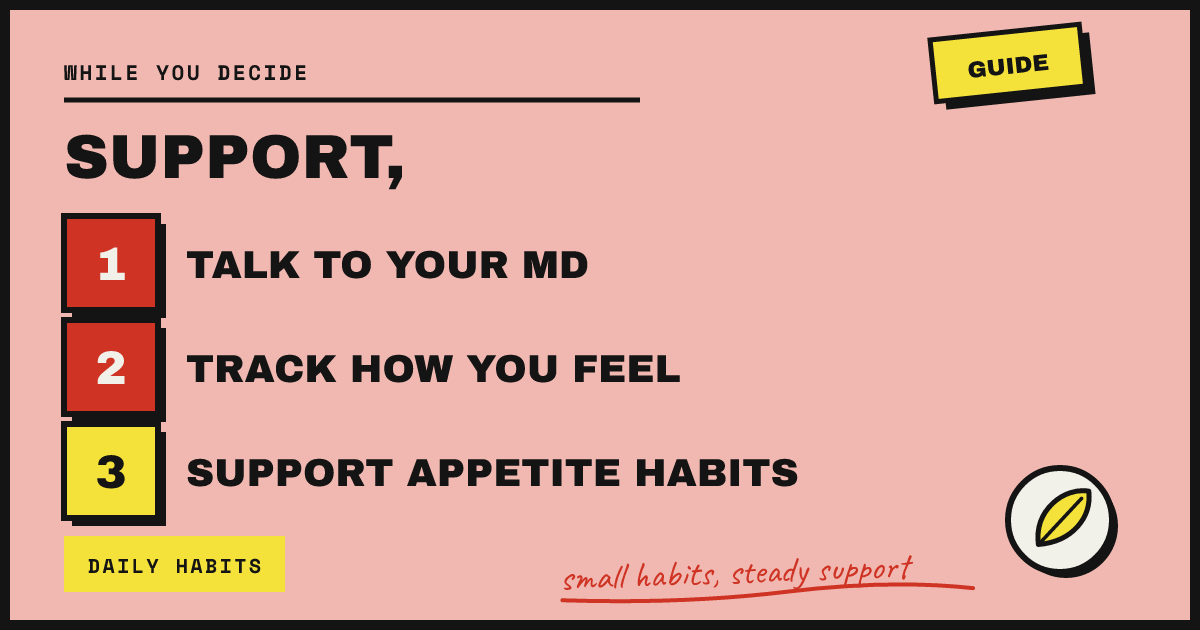
Headlines like this one are also pushing more people to ask a bigger question: what does my appetite and weight routine look like if I ever pause or step back from a prescription drug? That's a completely different lane from treating or diagnosing anything — but it's one where gentle, herbal daily habits can genuinely help. If you're building that kind of foundation, something like our Appetite Suppressant is formulated with traditional Korean botanicals to support appetite habits day to day, without ever claiming to replace or match a prescription medication.
Whatever you decide with your doctor about your current treatment, habits like mindful eating pace, hydration, and consistent routines remain useful no matter what's in your medicine cabinet.
Frequently Asked Questions
Is Ozempic-related vision loss common?
No. The reported cases remain rare relative to the millions of people using GLP-1 drugs, and researchers have not confirmed that the medications directly cause the condition. Most reported side effects for these drugs are mild, like nausea or injection-site irritation.
What are the warning signs I should watch for?
Sudden blurriness, dimming, or a missing patch of vision in one eye are the key symptoms to take seriously. If you notice any of these while on a GLP-1 medication, contact your doctor or an eye specialist right away rather than waiting it out.
Can herbal supplements replace my GLP-1 medication?
No. Herbal supplements are designed to support everyday appetite habits and wellness routines, not to treat, prevent, or replace a prescription medication. Always talk with your healthcare provider before making any changes to a prescribed treatment plan.