
Protein coffee — the TikTok-born mashup known as "proffee" — has gone from dorm-room hack to national menu item, and it's fair to ask whether it actually does what fans claim. The short answer: the protein in your cup can genuinely help you feel fuller for a few hours, but the drink alone isn't a hunger off-switch. Caffeine gives a small, short-lived dip in appetite, while protein does the heavier lifting by nudging the hormones that tell your brain you've had enough.
What Is 'Proffee' and Why Is It Suddenly Everywhere?
The format is simple: coffee, a scoop of protein powder, and ice, shaken or blended until it turns into a creamy, protein-heavy latte. This trend has accumulated over 800 million views under the #proffee hashtag. The habit went fully mainstream this fall, when Starbucks is rolling out a protein-rich product line starting Sept. 29. The chain's new menu includes protein cold foams and lattes and protein-boosted milks to its permanent menu on Monday, with 15 to 36 grams of the essential macronutrient stuffed into each grande 16-ounce beverage.
For a category built on quick, protein-forward routines, it's a natural pivot — and it means your local barista is now part of the appetite conversation, not just your For You Page.
Does Protein Coffee Actually Curb Hunger?
Yes, to a point. Protein is one of the most filling things you can eat or drink, and protein may reduce appetite by decreasing levels of ghrelin, the hormone that makes you feel hungry. And protein may increase other hormones — including cholecystokinin and glucagon-like peptide-1 (GLP-1) — that help reduce your appetite. Registered dietitians echo that point about the morning cup specifically: "Protein increases satiety and can reduce cravings later on in the day," says Amna Haq, M.S., RD, LDN.
Caffeine's role is smaller and trickier than people assume. a previous study showed that drinking coffee helps to suppress hunger but it was actually decaffeinated coffee that had the most benefits. Decaffeinated coffee caused a greater rise in an appetite-suppressing protein called PYY than did caffeinated coffee. PYY is released by cells in your large intestine and helps "turn off" the desire to eat. That suggests the fullness you feel from your proffee is coming mostly from the protein scoop, not the espresso shot.
The Protein Math Behind the Hype
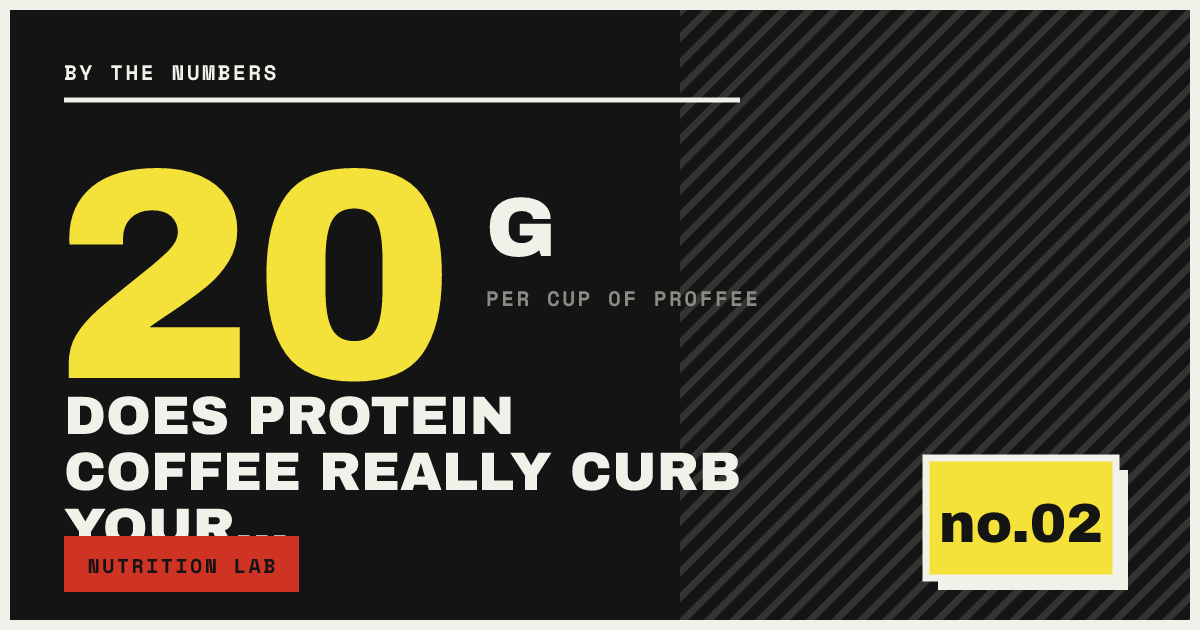
Not all proffee is created equal, but the best versions pack an impressive protein-to-calorie ratio. One detailed nutrition breakdown found that Proffee is one of the few viral trends that genuinely earns its reputation. At 20 grams of protein per 100 calories, it has one of the highest protein-to-calorie ratios of any meal on this list. The caffeine provides a modest thermogenic effect, and the protein content supports satiety through the morning.
For comparison, a plain bagel or a syrupy flavored latte delivers plenty of calories and almost none of that staying power — which is exactly why this particular trend keeps earning a second look from nutrition pros.
Where the Trend Overpromises
Proffee isn't a cheat code, and most dietitians are careful to say so. experts warn that it's not a magic bullet for weight loss or significant muscle gain. Piling on more and more protein powder doesn't scale the benefit forever, either — excessive protein, for one, can increase the risk of developing kidney stones.
The caffeine side has its own ceiling, too. coffee causes modest decreases in appetite and modestly boosts your metabolic rate. The question is whether you adapt to its metabolism-boosting effects and stop getting benefits. And if your "proffee" is standing in for an actual breakfast with too little food around it, the fullness tends to fade fast: A low-calorie, low-protein breakfast—like plain coffee or a piece of toast—won't keep you full for long. Drinking coffee alone may temporarily suppress your appetite, but it won't give you the energy you need to stay satisfied and functional through a full morning.
A Saner Way to Build Your Protein Coffee Habit
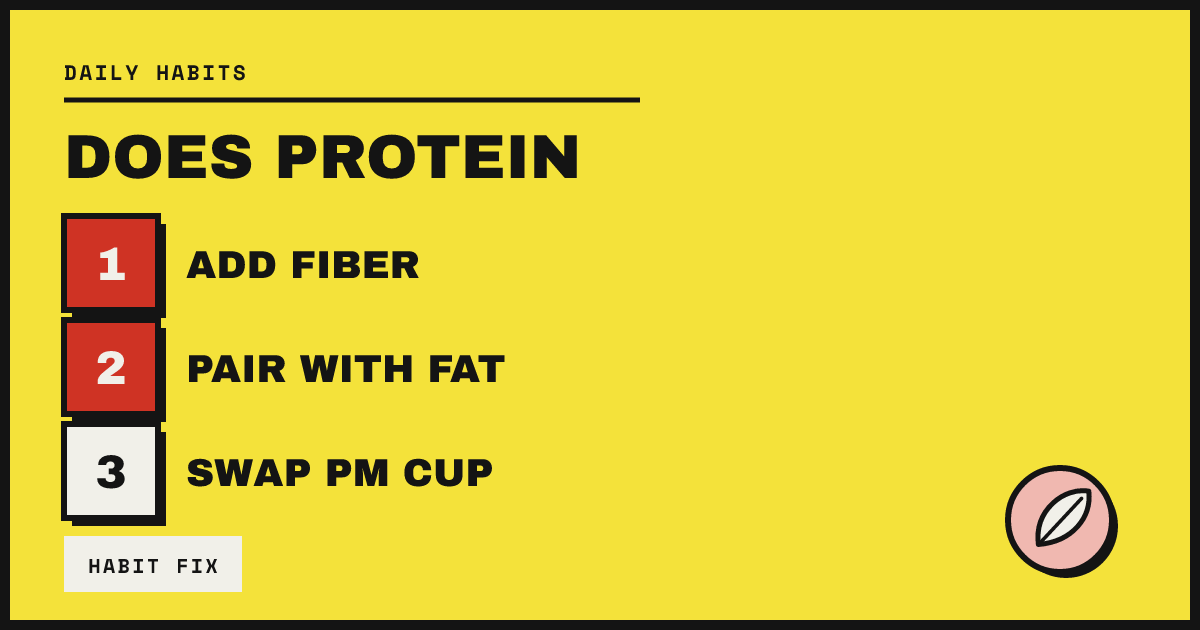
Done well, the habit can earn its spot in your routine. "Done right, protein coffee isn't necessarily a bad idea," says registered dietitian Kate Patton, RD, LD. A few small tweaks make the difference between a fad and a genuinely useful ritual:
- Add a spoon of ground flax or chia for fiber, which slows digestion and extends fullness instead of relying on protein alone.
- Pair your cup with a small source of fat — nut butter, whole milk, or avocado toast on the side — so the energy lasts past mid-morning.
- Keep an eye on total daily caffeine, especially if you're also reaching for an afternoon pick-me-up.
Many of our readers use their proffee for the morning push, then look for something calmer for the back half of the day — a warm, caffeine-free cup like our Yeori Tea makes an easy coffee swap for the afternoon slump, supporting gentle de-bloating without adding another stimulant to your day.
Frequently Asked Questions
Is protein coffee a healthier breakfast than eating real food?
Not automatically. Protein coffee isn't inherently healthier than a balanced breakfast made up of nourishing foods. It works best as a convenient add-on for people who already tend to skip mornings, not as a permanent swap for whole foods.
How much protein actually belongs in a cup of coffee?
There's no single magic number. A reasonable daily target, per dietitian Kim Yawitz, R.D., CF-L1, owner of Two Six Fitness. (A good rule of thumb is to get at least 0.5 grams of protein per pound of body weight per day.), is spread across meals — your coffee doesn't need to carry that whole goal alone.
Can protein coffee replace an herbal appetite-support routine?
No — the two work differently and aren't meant to substitute for each other. Protein coffee adds calories and protein to curb hunger in the moment, while herbal appetite-habit support is designed to work alongside meals throughout the day. If appetite management is part of a bigger plan for you, it's worth talking to a healthcare provider about how the pieces fit together.