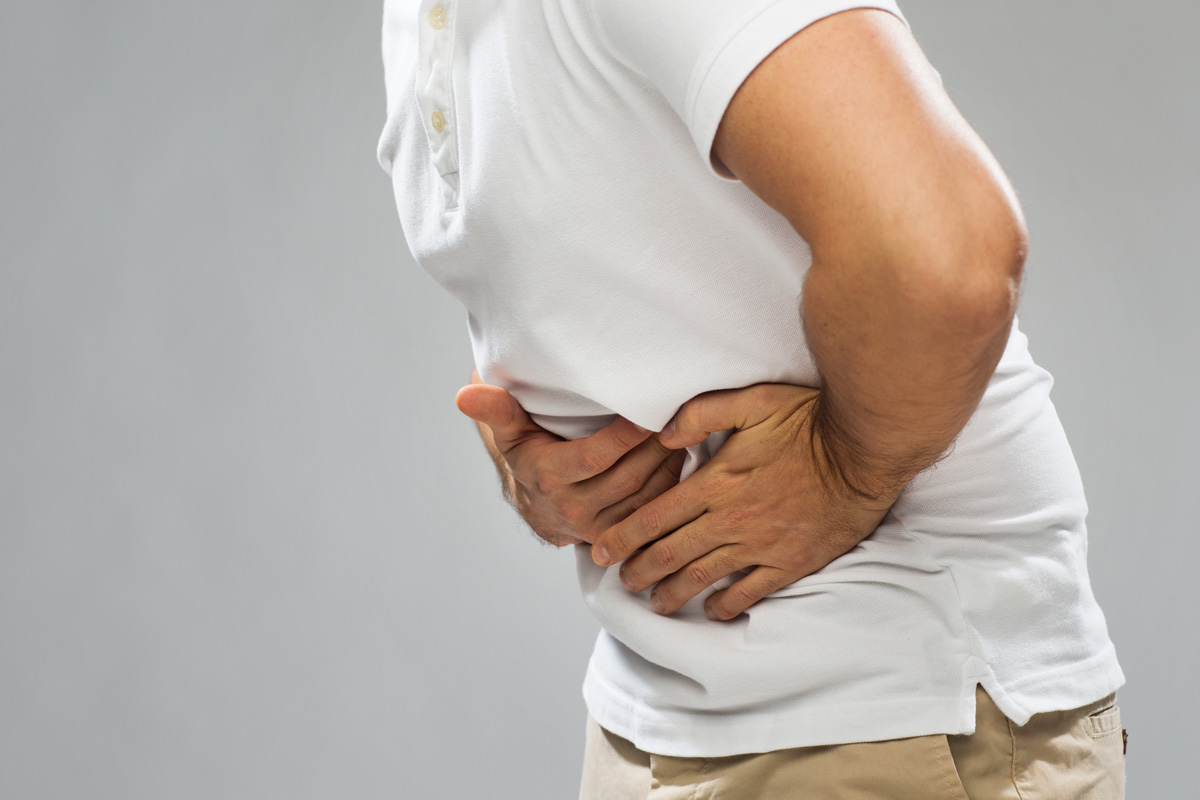
You get constipated when you travel because your gut relies on a predictable routine—regular water, regular fiber, and regular movement—and a trip disrupts all three at once. Add salty airport food, a few extra hours of sitting, and a sleep schedule that no longer matches the sun, and your digestive system slows its usual rhythm within a day or two. It's one of the most common travel complaints there is, and it's almost always temporary, which means a few targeted habits (some borrowed from a 500-year-old Korean travel kit) can make a real difference.
Key takeaways
- Constipation, not diarrhea, is the more common digestive complaint for most travelers on short trips.
- Dehydration, reduced fiber intake, and hours of sitting are the three biggest drivers of travel-related bloating and constipation.
- Most travel bloating and constipation resolve within a few days once normal hydration, movement, and meal timing return.
Why Do I Get Constipated When I Travel?

You get constipated when you travel mainly because your gut loses the cues it depends on to stay regular. Constipation, not diarrhea, is actually the more common digestive complaint while traveling, since fewer vegetables and less fiber in travel meals can contribute to the problem. On top of that, there's a deep connection between your gut and your brain, so high levels of stress and anxiety during a trip can have a negative impact on your digestive system. Layer in a new time zone, a packed itinerary, and food that's richer than what you usually eat, and your colon simply has less information to work with.
None of this means something is wrong with you. It's a predictable physiological response to a predictable set of changes, and it reverses just as reliably once your routine resets.
The Gut-Brain Link: Why Routine Changes Hit Your Stomach First

Your digestive system is deeply wired to your circadian clock, which is why travel confuses it so quickly. Jet lag and time-zone shifts throw off the timing of digestive enzyme release, so meals eaten at an unfamiliar hour don't move through your system the way they normally would. Add the low-grade stress of flights, new environments, and busy schedules, and the gut-brain axis responds by slowing motility—sometimes before you've even left for the airport.
This is also why travel constipation can start a day or two before a trip, not just after you arrive. Anticipatory stress alone can tighten up your system, which is worth remembering the next time pre-trip nerves come with a stomachache.
Dehydration, Sodium, and Water Retention on the Road
Dehydration is one of the biggest, most underrated drivers of travel bloating. Cabin air, hot climates, long car rides, and a general reluctance to drink water because you don't want to hunt for a bathroom all add up fast. Dehydration is a common issue when traveling, particularly during air travel or in hot climates, and insufficient fluid intake can make constipation more likely, which further contributes to abdominal discomfort and bloating.
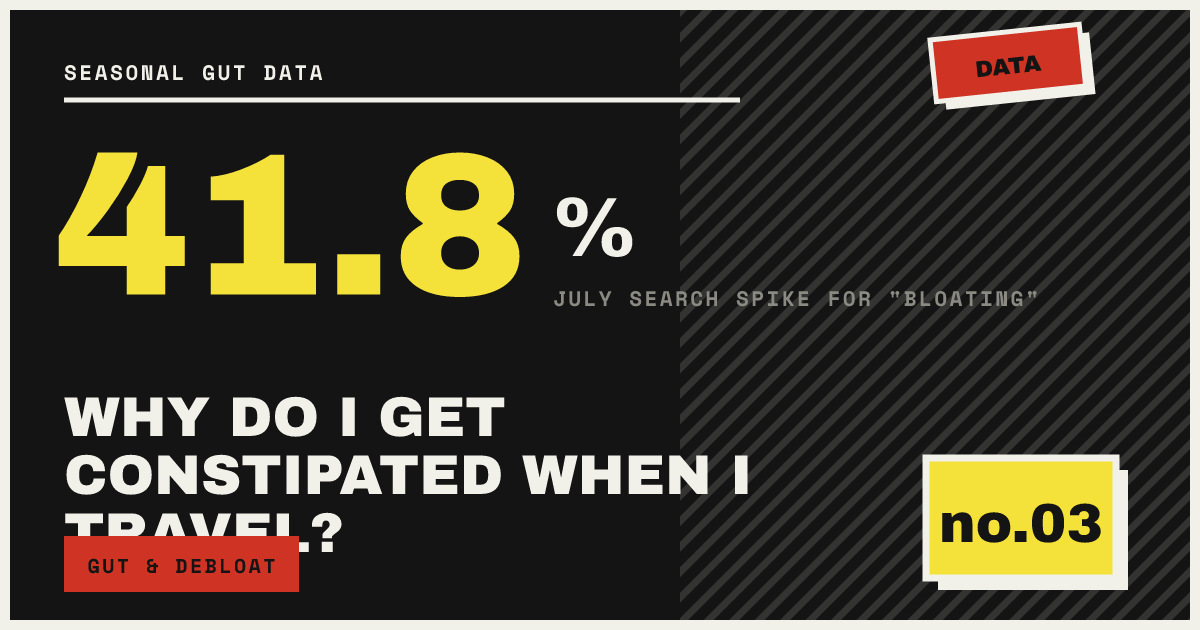
Travel food doesn't help. Too much salt increases fluid retention, while too much fat and too little fiber will slow digestion. That combination—restaurant meals, airport snacks, and a lot less produce than usual—is practically engineered to leave you puffy and backed up. It also lines up with the data: one 10-year analysis of U.S. search behavior found that bloating searches peak in July with a jump of roughly 41.8 percent, right alongside the busiest summer travel season.
Does More Fiber Help or Hurt While You're Traveling?
Fiber helps, but only if you pair it with enough water—otherwise it can make bloating worse, not better. Fiber supplements can keep you more regular on the road, but fiber without adequate fluid can actually increase bloating because it needs water to move through your system properly. If you're already running dehydrated from a flight or a hot climate, adding a big fiber boost without extra water is often the mistake, not the fix.
For travelers who deal with occasional backed-up days even when they're drinking enough water, a gentle, herb-based option like VYNEHERB's Herbal Laxative can offer short-term support for regularity without relying on harsh stimulant laxatives—something to keep in your bag the way you'd pack electrolyte tablets or motion-sickness pills.
The Hanbang Fix: Maesil for Travel Bloat
Long before fiber supplements existed, Korean households kept a jar of maesil-cheong, fermented green plum syrup, in the kitchen for exactly this situation. For centuries, maesil has been used to support digestion and ease discomfort after meals, and it shows up in the Dongui Bogam, the foundational text of traditional Korean medicine, as a remedy tied to digestion and fatigue. The organic acids in maesil are thought to stimulate saliva and digestive secretions, which is why it's traditionally stirred into warm or hot water right after a heavy, salty, or unfamiliar meal—precisely the kind of meal travel tends to serve up.
Modern practice hasn't moved far from the old habit: when people feel bloated, a common fix is still a spoonful of maesil-cheong stirred into a cup of water. It's a small, portable ritual that fits neatly into a travel routine, whether you're carrying a tiny jar or just reaching for a warm drink after dinner.
Frequently Asked Questions
Is travel constipation something to worry about?
Usually not. It's a very common, temporary response to changes in hydration, movement, food, and routine. If it lasts more than a week after you return home, or comes with severe pain or other concerning symptoms, it's worth checking in with a healthcare provider.
Does flying itself cause bloating, separate from everything else?
Yes, to some degree. Changes in cabin pressure can cause gas in your digestive tract to expand, and hours of sitting slow gut motility on top of that—so a flight can bloat you even if your meals were otherwise normal.
How long does travel bloating usually last?
Travel bloat is usually temporary, and your digestive system should bounce back once you return to a more consistent routine, typically within a few days of regular meals, water, and movement.