Yes, weight regain after stopping GLP-1 medications like Ozempic, Wegovy, Mounjaro, or Zepbound is common, and new research shows it can happen faster than after almost any other weight-loss method. Large 2026 studies tracking thousands of patients confirm that both the scale and the metabolic benefits start sliding back within months of the last dose. That shift is fueling a whole new wellness conversation: not just how to lose weight, but how to protect your progress once a prescription ends. At VYNEHERB, we think that conversation deserves a gentle, herbal lane of its own.
Does Weight Come Back After Stopping Ozempic or Wegovy?
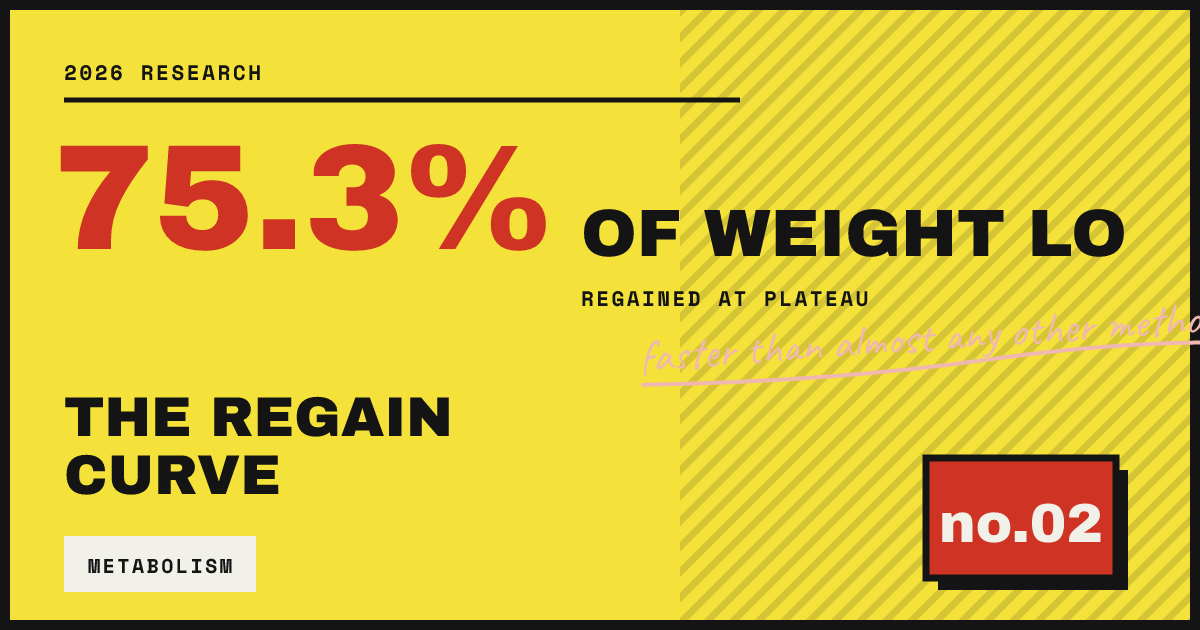
Often, yes, and research published in early 2026 quantifies just how quickly. The average monthly regain was 0.4 kg, about four times faster than after behavioral interventions, regardless of the amount of weight initially lost. Across 9,341 participants in 37 studies of weight-loss medications, return to baseline weight occurred in an average of 1.7 years overall. A separate meta-regression found a similarly steep curve: at 1 year post-cessation, 60% of the weight lost during treatment was regained, with weight regain estimated to plateau at 75.3% of the weight lost on treatment. It's not just the scale, either. Cardiometabolic benefits were projected to return to baseline even sooner after stopping GLP-1s.
Why So Many People Are Facing This at Once
Discontinuation is far more common than most people realize. Reports estimate that 50%-65% of patients prescribed GLP-1s discontinue treatment within the first year, despite the well-documented risk for weight regain. Common contributors to discontinuation include cost, side effects, and insurance coverage barriers. That means a huge wave of people are now navigating the exact same question: what do you do with your body once the medication stops doing the work? It's a genuinely new category of wellness need, and it's why "post-GLP-1 support" is becoming its own search term.
The Muscle Loss Factor Nobody Talks About
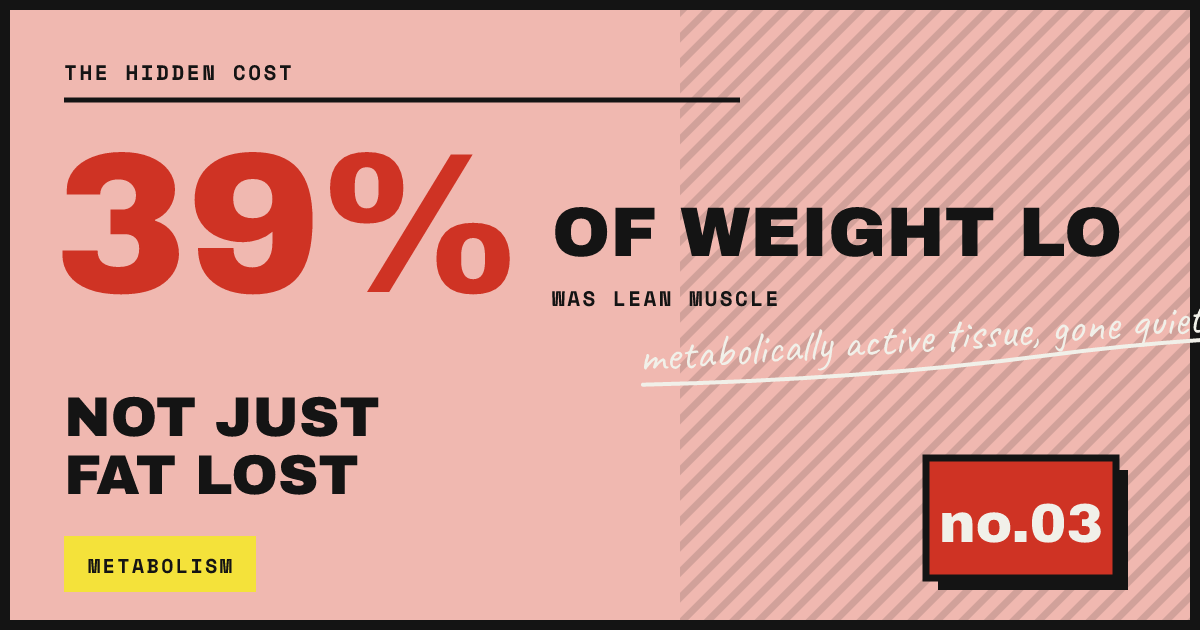
Part of why regain feels so discouraging is that a meaningful share of the weight lost on these drugs isn't fat. GLP-1 receptor agonists offer substantial weight loss and cardiometabolic protection, but clinical trials and real-world evidence consistently show that weight reduction with these drugs is accompanied by a decrease in lean body mass. Some estimates suggest up to 39% of GLP-1 weight loss comes from lean muscle, which matters because muscle is metabolically active tissue — losing it can make the body more prone to store fat once treatment stops. This is precisely why the muscle-preservation conversation has become inseparable from the weight-regain conversation.
How Much Protein Do You Actually Need?
Adequate protein intake is one of the most effective ways to support muscle during weight loss. Most nutrition experts now recommend a higher target than the standard guideline: 1.2 to 1.6 grams of protein per kilogram of body weight per day, notably higher than the general recommended dietary allowance of 0.8 g/kg/day. Just as important as the total is how it's spread out. Aim to include a protein source at every meal rather than saving it all for dinner, and pair it with movement — exercise, particularly strength training, is one of the most important factors in preserving muscle during weight loss, and it is more effective than aerobic activity alone for that purpose.
Building a Post-GLP-1 Metabolism Routine
If you're transitioning off a GLP-1 medication, or simply thinking ahead to that day, the goal is to give your metabolism steady daily signals rather than relying on one big intervention. A short list of small, repeatable habits tends to matter more than any single fix:
- Start each meal with a protein source before carbs or vegetables
- Add two to three strength sessions per week, even short ones
- Keep a consistent morning routine that supports energy and digestion
- Track how you feel and move, not just the number on the scale
Many of our customers weave in a warm, herb-based morning ritual as part of this routine — something like Burning On, our herbal morning metabolism drink stick, fits naturally alongside protein and movement as a small daily anchor rather than a stand-in for either.
What About Medical Off-Ramp Procedures?
Clinical researchers are also exploring dedicated "off-ramp" procedures for patients coming off GLP-1 therapy. One 2026 study of an investigational endoscopic procedure found that patients undergoing the procedure following tirzepatide discontinuation experienced a 2.5% total body weight loss over 3 months, compared with approximately 10% weight regain in a sham-procedure arm. These are medical interventions performed under physician supervision, not consumer products, and they underscore just how seriously the research world is taking this transition period. If you're considering stopping or adjusting any prescription medication, that conversation belongs with your prescribing provider, not a supplement label.
A Gentle Herbal Lane, Not a Replacement
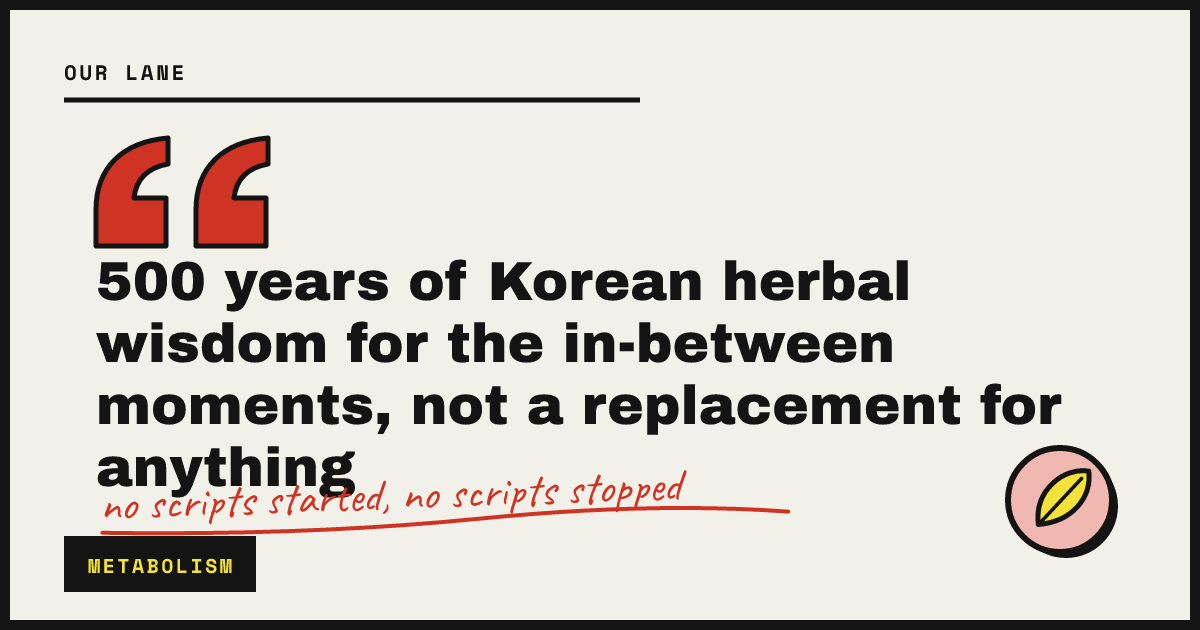
We want to be clear about our lane. VYNEHERB's herbal formulas are not designed to replace, mimic, or compare to GLP-1 medications, and we'll never suggest starting or stopping a prescription. What we do offer is 500 years of Korean herbal wisdom, refined through modern nutrition science, to support everyday appetite habits, digestion, and energy — the small daily choices that sit underneath any bigger weight-management plan, medication or not. Think of it as steady, practitioner-reviewed support for the in-between moments, not a shortcut around them.
Frequently Asked Questions
How fast does weight come back after stopping Ozempic or Wegovy?
Research shows regain can begin within weeks and continue for one to two years, with several studies finding it happens roughly four times faster than after diet-only weight loss. Individual results vary widely based on diet, activity, and how long the medication was used.
Does muscle loss make post-GLP-1 regain worse?
It can contribute, since losing lean muscle alongside fat may lower the body's metabolic rate over time. That's part of why protein intake and resistance training are widely recommended during and after GLP-1 treatment.
Can herbal supplements replace GLP-1 medications?
No. Herbal supplements like VYNEHERB's formulas are intended to support everyday appetite habits and metabolism as part of a healthy lifestyle, not to treat, cure, or substitute for any prescription medication. Always talk to a healthcare provider before starting, stopping, or changing any treatment.