If you've upped your fiber intake lately and suddenly feel puffier, gassier, or tighter around the waistband, you're not imagining it. Bloating after a sudden jump in fiber is a normal, temporary response as your gut bacteria adjust to fermenting more plant material than they're used to. For most people it settles down within a few days to a couple of weeks — and there are gentler ways to get fiber's benefits without the discomfort.
What Is "Fibermaxxing," and Why Is Everyone Suddenly Doing It?
"Fibermaxxing" is the nutrition world's name for the push to pack as much fiber as possible into every meal, and it has become one of the defining habits of 2026. Cousin to "gut health" is the "fibermaxxing" trend, which is ill-defined but basically emphasizes fiber intake. It's not hard to see why the trend caught on: fiber has one of the strongest evidence bases of any single nutrient, and interest in it keeps climbing as people connect digestion to everything from energy to mood.
Part of this surge is tangled up with the GLP-1 era, too. Fiber-forward eating is considered best for the estimated 6+ million Americans on GLP-1 medications who need nutrient-dense, lower-volume meals, and GLP-1 medications were ranked the number one health trend for 2026. When you're eating less overall, fiber-dense choices help you get more nutritional value from smaller portions — but that same shift can be exactly what triggers new digestive discomfort.
Does More Fiber Really Cause More Bloating?
Yes — especially when the increase happens quickly. Fiber that your gut bacteria aren't used to processing gets fermented in large batches, which produces gas as a natural byproduct. While fiber-rich products can increase intake, they also present potential downsides, especially if the body isn't used to high doses, including gas, bloating, and cramping.
There's also a nutrient-science layer here. Fiber intake is linked to short-chain fatty acid production, which feeds gut lining cells, reduces inflammation, and supports immune function — all genuinely good things happening beneath the surface. The bloating you feel in week one is often just your microbiome ramping up its own fermentation activity to keep pace with the new fuel you're sending it, not a sign that something is wrong.
How Long Does Fiber Bloating Usually Last?
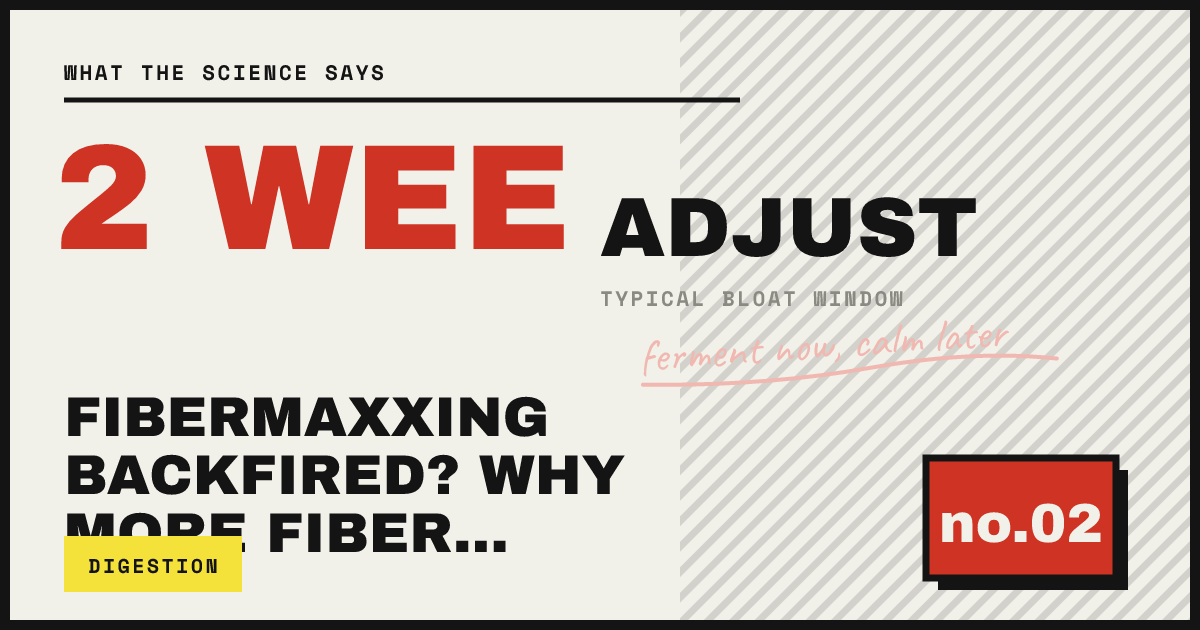
For most people, fiber-related bloating eases within several days to about two weeks as gut bacteria populations adjust. This is why nutrition guidance almost always emphasizes a slow ramp-up rather than an overnight overhaul — your gut microbiome needs time to build the enzymes and bacterial diversity to handle a bigger fiber load comfortably. If bloating is severe, doesn't improve after two to three weeks, or comes with real pain, that's worth a conversation with a healthcare provider rather than something to push through.
The Smarter Way to Increase Fiber Without the Backlash
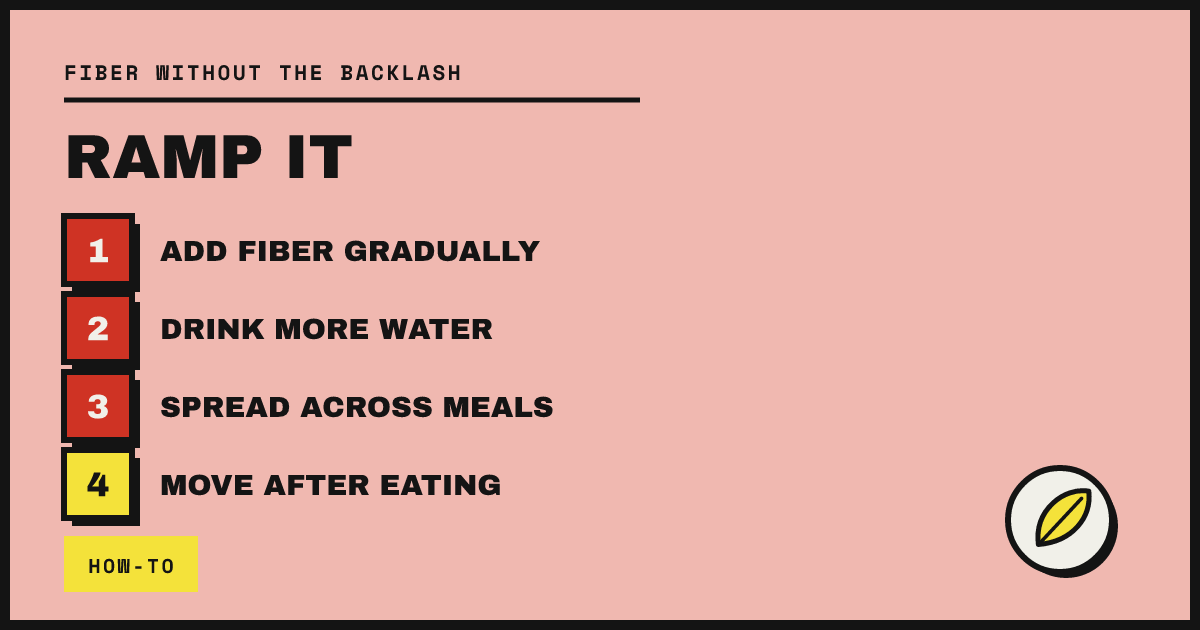
You don't have to choose between fiber's benefits and a calm stomach. A few adjustments make a real difference:
- Add fiber in small increments over two to three weeks instead of all at once.
- Increase water intake alongside fiber — fiber needs fluid to move smoothly through the digestive tract.
- Spread fiber-rich foods across meals rather than loading them all into one sitting.
- Pair fiber increases with light movement after meals, which supports normal digestive rhythm.
- Notice which fiber sources you tolerate best — everyone's gut responds differently to beans, whole grains, or raw vegetables.
Nearly seven in ten people already say they're trying to get more fiber, per nearly 70% of global consumers list fiber as a top nutrient they look to increase in their foods and beverages — which means a lot of households are living through this exact adjustment period right now.
Where Korean Herbal Wisdom Fits In
Long before "fibermaxxing" had a name, Korean herbal tradition was already focused on digestive comfort as a daily practice, not a crisis response. Hanbang-inspired formulas often lean on warming, gut-soothing botanicals meant to support normal digestion and a settled feeling after meals — a philosophy that pairs naturally with a fiber-forward diet.
If your midsection feels tight or heavy while your gut catches up to your new fiber habits, a gut-balance formula like Belly Light can be a simple daily add-on alongside the slow-ramp approach above — it's formulated to support gut balance and a lighter, less bloated feeling as part of an everyday routine, not as a substitute for adjusting how you eat.
Frequently Asked Questions
Is fiber bloating a sign I should stop eating high-fiber foods?
Not usually. Mild bloating in the first week or two is a normal adjustment response, not a reason to abandon fiber altogether. If discomfort is severe or persistent, it's worth checking in with a healthcare provider to rule out other causes.
Does drinking more water actually help with fiber bloating?
Yes. Fiber absorbs water as it moves through the digestive tract, and without enough fluid it can sit heavier and ferment more, which worsens bloating and gas.
Can I take fiber and a gut-support supplement at the same time?
Generally, yes, but it's smart to introduce one change at a time so you know what's working. If you're on any medication, including GLP-1 prescriptions, check with your doctor before adding new supplements to your routine.