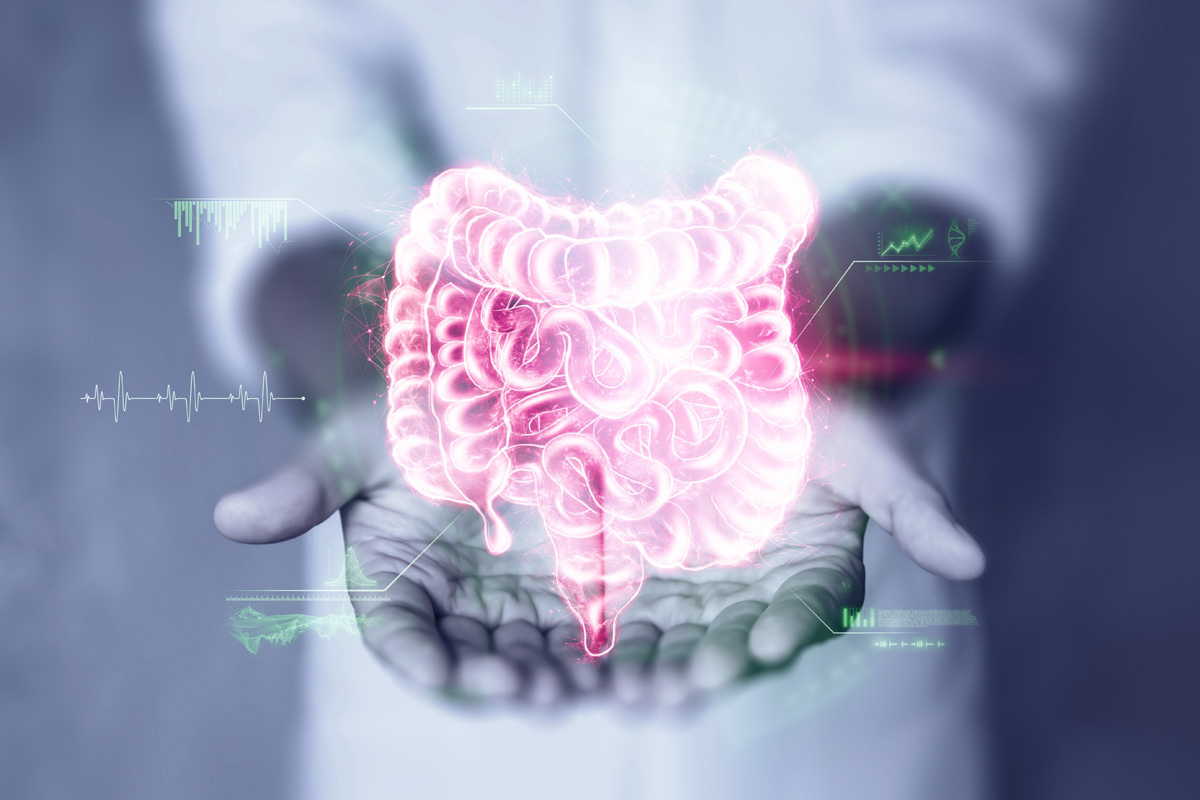
Yes—your gut and your skin are in constant conversation, and when gut bacteria fall out of balance, that imbalance can show up on your face as breakouts. Dermatologists call this the gut-skin axis, and it's one of the most talked-about threads in the current beauty-from-within movement. Korean hanbang medicine made the same connection centuries before the term existed, treating stubborn skin as a digestive issue long before Western labs caught up.
Does Gut Health Cause Acne?

Yes, gut health can influence acne, though it's rarely the only factor. This connection, often called the gut-skin axis, suggests that the balance of bacteria and overall gut function may influence skin inflammation and oil production. When the gut microbiome tips out of balance, it tends to send more inflammatory signals through the body, and skin is one of the first places that inflammation becomes visible.
You don't need a lab test to notice the pattern. Clues your gut may be involved include bloating, gas, constipation or loose stools, or breakouts that flare within a few days of eating certain foods. If your skin struggles seem to track with digestive ups and downs, that's not a coincidence—it's the axis at work.
The Gut-Skin Axis, Explained Simply
Think of your gut lining and your skin barrier as close relatives. That connection starts with the gut lining, and the cells lining the gut behave much like skin cells—one of the skin's most important functions is acting as a barrier, preventing bad things from coming in while keeping good things like moisture from coming out. When that gut barrier weakens, a condition often nicknamed "leaky gut," things change.
When the lining of the digestive tract becomes compromised, inflammatory bacterial compounds can cross into circulation, triggering a low-grade systemic inflammatory response that can increase reactivity in the skin's oil glands. Diet, stress, and even slow digestion can all nudge that barrier in the wrong direction.
What Hanbang Herbs Have Long Supported Gut-Skin Balance
Long before "gut-skin axis" was a headline, hanbang practitioners were already treating digestion and complexion as one system. Herbal remedies, or hanbang, are deeply rooted in Korean culture, and for centuries Koreans have used herbs like licorice root, mugwort, and red ginseng to enhance their health and improve their skin.
Mugwort (ssuk) is a good example of this dual role. Mugwort is known for its effective soothing effect on skin and redness, and it helps balance the skin by improving moisture balance and reducing excessive sebum secretion. Licorice root tells a similar story: licorice root extract is used in skincare for its brightening and anti-inflammatory properties, and is especially used to soothe irritated skin. In hanbang theory, both herbs were traditionally taken as teas to settle digestion first—clear skin was considered a downstream result, not a separate goal.
How Long Does It Take for Gut Changes to Show on Your Skin?
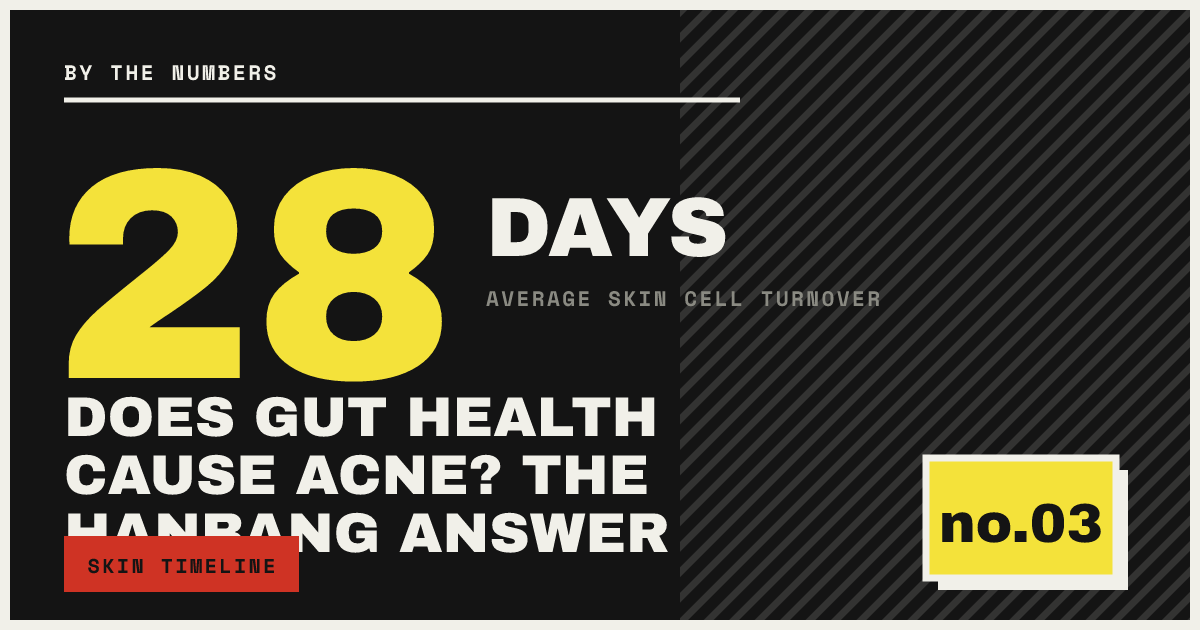
Most people notice skin changes within three to six weeks of a gut-supportive routine, roughly the time it takes skin cells to complete a full turnover cycle. Inflammation can calm faster than that, but a visibly clearer complexion usually needs at least one full skin cycle to show through.
That's why quick fixes rarely hold. A gut-first approach to skin is a patience game, not an overnight one—consistency over a few weeks tends to matter more than any single ingredient.
Everyday Habits That Keep Gut and Skin Calm
Food choices are the biggest daily lever. Fibre-rich foods support a healthier microbiome, which can improve digestion and may reduce factors that contribute to acne. Added sugar and refined carbohydrates tend to work against that same goal, so a steadier, less spiky way of eating is one of the simplest things you can control.
Regularity matters too. The digestive tract plays a key role in processing and eliminating excess hormones, and if gut motility is slow, recirculating hormones can stimulate excess sebum production and clogged pores. If sluggish digestion is part of your pattern, a gentle, plant-based formula like Herbal Laxative can help support regularity as part of a broader gut-and-skin routine—always alongside food, water, and movement, not instead of them.
Why Stress Makes Gut-Driven Breakouts Worse
Stress doesn't just feel bad—it changes your biology in ways that show up on your face. When you're stressed, your gut bacteria shift, increasing inflammation; cortisol rises, changing how your skin produces oil and repairs itself; and the worse your skin gets, the more stressed you feel, creating a feedback loop that's tough to break.
This is exactly the kind of three-way loop—gut, brain, skin—that hanbang medicine has always treated as inseparable. Calming the nervous system through sleep, slower meals, and warm herbal tea isn't just a relaxation ritual; it's a direct line back to clearer skin.
Frequently Asked Questions
Can probiotics help clear acne caused by gut issues?
Probiotics may support a more balanced gut microbiome, which some research links to calmer, less inflamed skin. They work best alongside fiber, hydration, and stress management rather than as a standalone fix, and results take several weeks to appear.
Is gut-driven acne different from hormonal acne?
They often overlap rather than being separate categories. Gut imbalances can affect how the body clears hormones, so a sluggish gut can intensify the same breakouts typically blamed on hormones alone.
Should I see a doctor if I think my gut is causing my skin issues?
Yes, especially if you have ongoing digestive symptoms alongside persistent breakouts. A healthcare provider can rule out underlying conditions and help you build a plan that addresses both gut and skin together.