Food noise is the constant, intrusive chatter about food, what to eat next, when, how much, that can run in the background all day like a radio that never turns off. You quiet it naturally by steadying blood sugar with regular protein and fiber, lowering the stress that fuels cravings, and building small rituals that interrupt the loop before it gets loud. GLP-1 drugs turn this volume down chemically. Herbal and lifestyle approaches turn it down gradually, from the ground up.
Key takeaways
- Food noise is often described as a distressing insatiable, pervasive preoccupation with food or thinking about food.
- Medications like semaglutide act on the brain to increase the feeling of fullness and decrease appetite, which is part of why they quiet food noise.
- Research and clinical observation suggest that once the medication stops, food noise is likely to return.
How Do You Quiet Food Noise Naturally?
You quiet food noise naturally by keeping blood sugar steady, eating enough protein and fiber at regular intervals, lowering background stress, and changing the cues around you so food has fewer chances to interrupt your day.
Research notes that protein, fiber, and healthy fats can help the body naturally stimulate its own GLP-1 release, which is one reason a protein-forward breakfast or a fiber-rich snack can take the edge off that mental chatter within the hour.
None of this works as fast or as strongly as a prescription GLP-1, and it isn't meant to replace one. It simply nudges the same hunger-and-fullness system your body already runs on.
What Is Food Noise, Exactly?
Food noise is shorthand for near-constant, intrusive thoughts about eating, distinct from ordinary hunger. People describe it as a distressing insatiable, pervasive preoccupation with food or thinking about food.
It isn't an official diagnosis. It doesn't have an official definition in medicine, but clinicians increasingly use the term because patients keep bringing it up. The key distinction experts point to is that this isn't the same as physical hunger, it's mental volume, not an empty stomach.
Why Do GLP-1 Drugs Quiet Food Noise, and What Happens When You Stop?
GLP-1 drugs quiet food noise by slowing digestion and dampening the brain's reward response to food cues, so fullness signals last longer and food simply takes up less mental space. Semaglutide acts on the brain to increase the feeling of fullness and to decrease appetite, which is the biological root of the effect so many users describe.
The catch shows up on the other side. Stop the medication and the food noise is likely to return. Doctors who treat patients coming off these drugs point to the return of intense cravings and a sharp spike in appetite, often referred to as food noise, as one of the first things people notice.
We're not suggesting starting or stopping any medication here, that's a conversation for you and your prescriber. What's useful is the lesson underneath: appetite noise responds to signals you can also influence yourself, with or without a prescription.
The Hanbang View: Food Noise as a Body Out of Balance

Traditional Korean herbal medicine, or hanbang, has never treated appetite as a single switch. It's viewed as a reflection of digestive rhythm and nervous-system balance working together, where erratic blood sugar and unmanaged stress both show up as restless, grabby eating.
Herbs like omija, the five-flavor berry, and licorice root have long been used in hanbang formulas meant to support steady energy and a settled mood rather than to blunt hunger outright. Think of it less as silencing a signal and more as recalibrating it, so the urge to eat lines up with when your body actually needs fuel.
Herbal Teas and Small Rituals That Turn the Volume Down
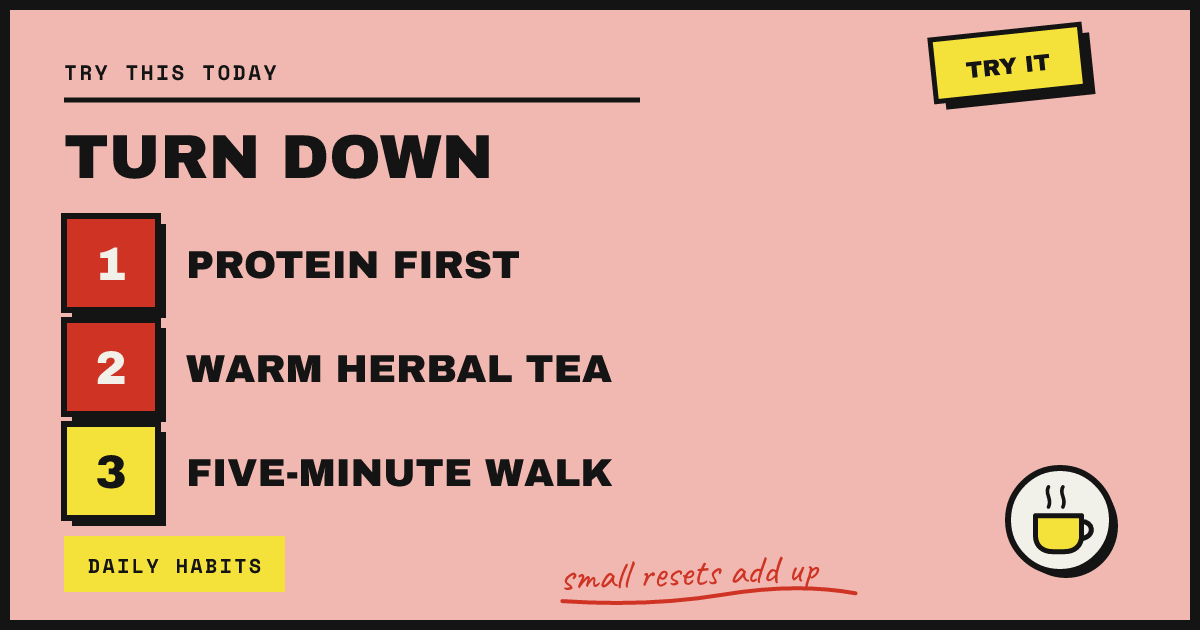
Start meals with protein and fiber instead of saving them for the end, it keeps blood sugar from spiking and crashing into a craving two hours later. Swap the afternoon scroll-and-snack habit for a warm herbal tea ritual, the pause itself is often enough to tell real hunger apart from boredom or stress.
When a craving does hit hard between meals, having something simple on hand matters more than willpower. Many of our readers reach for a quick jelly stick like MooMoo Jelly in that exact window, a small, low-effort way to take the edge off before a craving turns into a full detour.
A short walk, a few slow breaths, or even stepping outside can also interrupt the loop. The goal isn't perfection, it's giving yourself a few extra seconds before you decide.
How Long Does It Take to Notice a Difference?
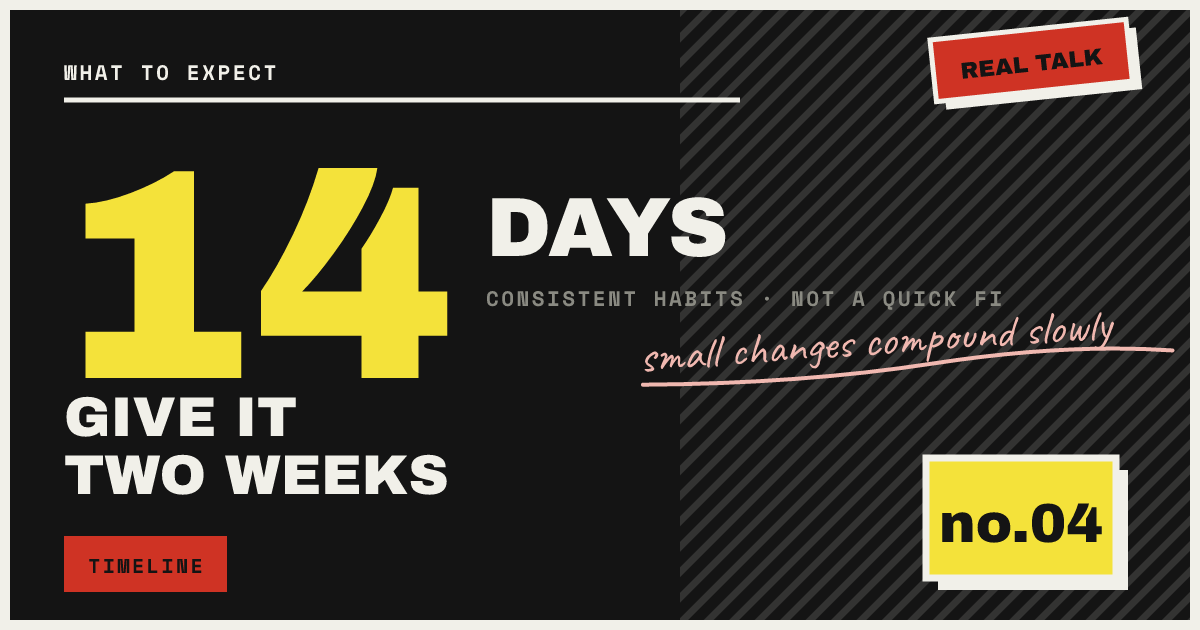
Most people need about two consistent weeks before blood-sugar-steadying habits and stress routines start to feel automatic rather than effortful. Food noise doesn't vanish overnight, it fades the way background music fades when you stop paying attention to it.
If the chatter stays loud, disrupts sleep, or feels distressing despite consistent habits, that's worth bringing to a healthcare provider rather than troubleshooting alone.
Frequently Asked Questions
Is food noise a real medical condition?
Food noise is not an official diagnosis, it's a descriptive term clinicians and patients use for intrusive, near-constant thoughts about food. That doesn't make it less real to the person experiencing it, it just means there's no single test or treatment protocol for it.
Can herbal teas or supplements replace a GLP-1 medication for food noise?
No. Herbal support works differently and more gradually than a prescription GLP-1, and it isn't a substitute for one. If you're considering starting, adjusting, or stopping any medication, talk with your prescriber first.
Does food noise come back after stopping Ozempic or similar drugs?
Many people report that it does. Clinicians note that cravings and appetite often rebound once the medication stops, which is one reason building habit-based appetite support alongside any treatment plan is worth discussing with a provider.