Yes, salty food can absolutely make you feel bloated — often within just a few hours of a sodium-heavy meal. The puffiness you feel isn't fat and it isn't your stomach stretching; it's your body pulling extra fluid into its tissues to keep your blood chemistry balanced. The good news is that this kind of bloat is temporary and typically eases on its own within a day or two once your sodium intake drops back down.
Key takeaways
- Sodium causes the body to retain water to keep blood mineral levels balanced, which can show up as bloating, puffiness, or a heavier feeling.
- Potassium-rich foods help the kidneys release excess sodium and fluid, which may ease sodium-driven bloat.
- A new FDA rule taking effect in December 2026 will let food makers use salt substitutes in items like bread, cheese, and canned vegetables.
Does Salty Food Make You Bloated?
Yes — sodium is one of the fastest, most common triggers of everyday bloating, and it works through fluid balance rather than digestion. When you eat salty foods, your bloodstream absorbs the excess minerals, and to maintain a safe internal balance, your body holds onto extra water to dilute the salt. That extra fluid doesn't stay politely in your bloodstream. It can lead to puffiness, stomach bloating, swollen fingers, and a heavier feeling after eating salty foods.
This type of bloating is often linked to excess fluid retention rather than true fat gain, which is why symptoms can appear so quickly after salty foods. That distinction matters: the scale may jump overnight, but it's water weight, not new body fat.
Why Sodium Pulls Water Into Your Tissues
Your body keeps a tight ratio of sodium to water in your blood at all times. Consumed in excess, the sodium we sprinkle on meals, that gets injected into processed foods, and that we wantonly consume in restaurant entrees builds up in our bloodstreams, and since the body keeps a rigid balance of minerals and water, it retains extra water to dilute the added salt. That mechanism protects your blood chemistry, but it has a visible side effect: a tighter waistband, puffier fingers, or a fuller face by evening.
It also explains why the same meal can hit people differently. Sodium triggers thirst so you drink more water, and it signals the kidneys to hold onto existing water rather than excreting it, which turns your blood and tissues into something like a sponge. The more sodium on board, the more water your body wants to hang onto.
How Long Does Salt Bloat Last?
Most sodium-driven bloat resolves within a day or two on its own. This type of bloating is the direct result of sodium levels and usually subsides within 24 to 48 hours as your kidneys flush out the excess salt. Some sources put the window slightly wider, noting that if you reduce sodium intake and drink adequate water, your body usually corrects itself within 24–72 hours.
If puffiness lingers well past that window, or shows up with pain, severe swelling, or changes in urination, it's worth a conversation with a healthcare provider rather than chalking it up to last night's dinner.
Food Labels Are About to Change: The FDA's New Sodium Rule
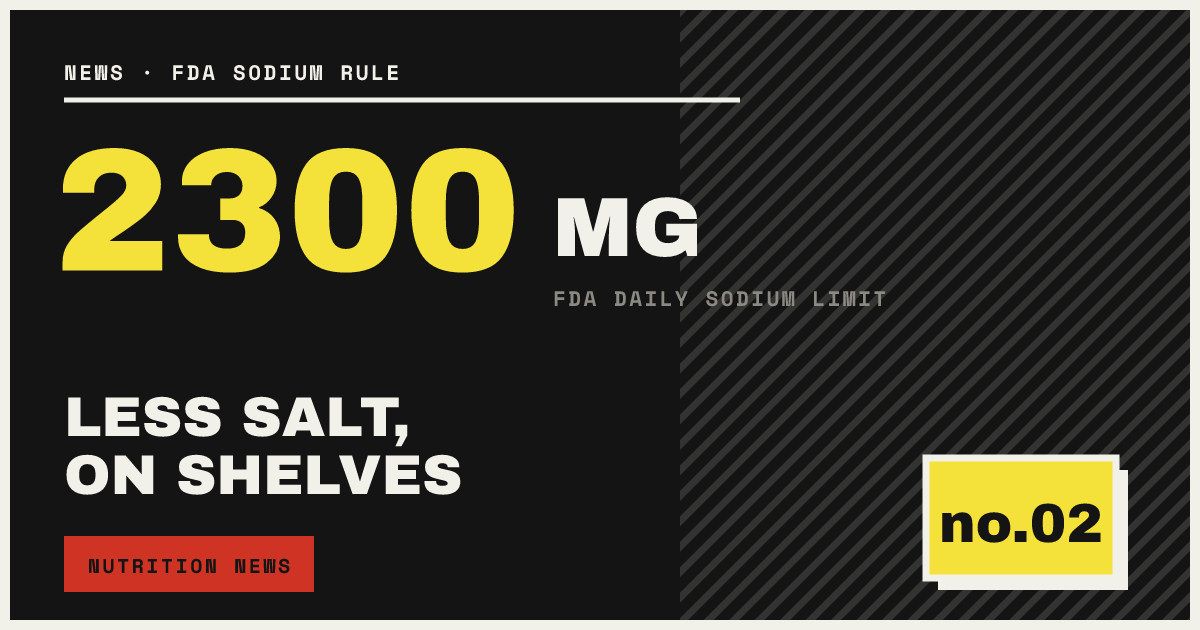
This topic isn't just a kitchen-table question right now — it's a food-policy one. Starting in December, a new FDA rule will let food makers replace some or all of the added salt in products such as bread, cheese, and canned vegetables. The affected foods include mayonnaise, salad dressing, many cheeses, canned vegetables, canned fish, bread, and pasta.
Why does this matter for bloating specifically? Nine out of ten Americans consume too much sodium according to the American Heart Association, averaging around 3,400 milligrams a day — more than twice what's recommended for ideal heart health. Lower-sodium packaged staples could mean fewer surprise salt loads — and less unexpected puffiness — from everyday foods that don't even taste especially salty.
Potassium: The Mineral That Helps Flush Excess Sodium
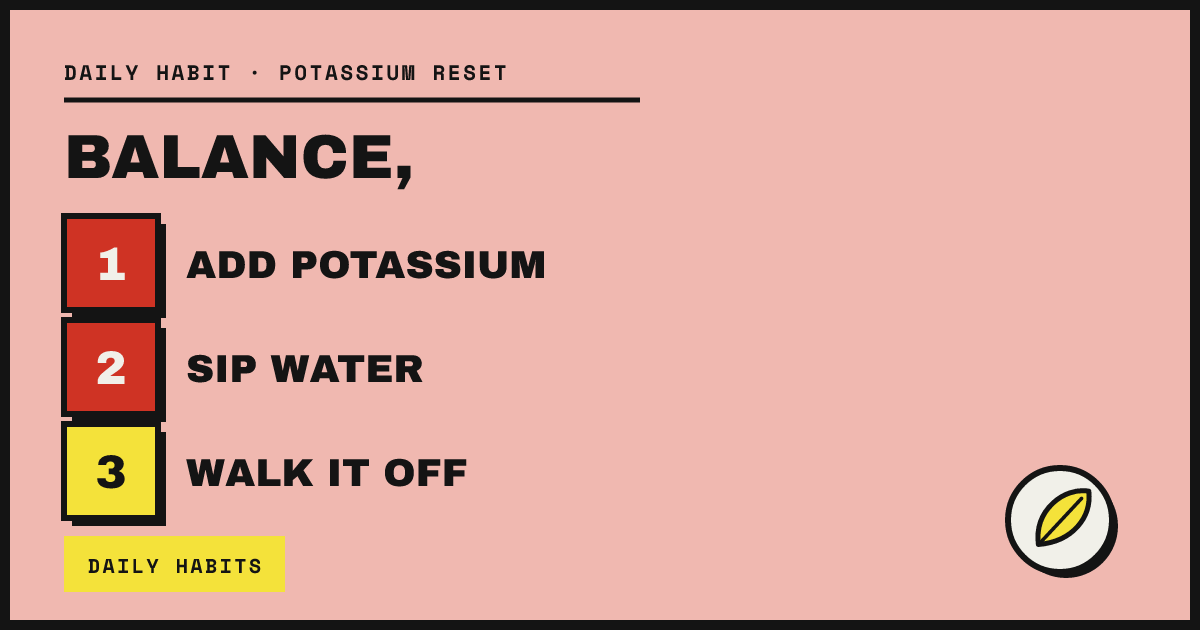
Potassium is sodium's natural counterweight. Potassium works in opposition to sodium by helping the kidneys eliminate excess water, and adequate potassium intake is necessary for proper cellular function, becoming increasingly important when sodium consumption is elevated.
Simple, high-water produce can help on both fronts. Items like watermelon, cucumbers, celery, and asparagus contain high water content — often exceeding 90 percent — and may help encourage the release of excess fluid while contributing to hydration. Pair that with steady water intake throughout the day, since inadequate hydration can lead the body to conserve water as a protective response — ironically making bloat worse, not better.
Corn Silk Tea: Korea's Traditional Way to De-Bloat
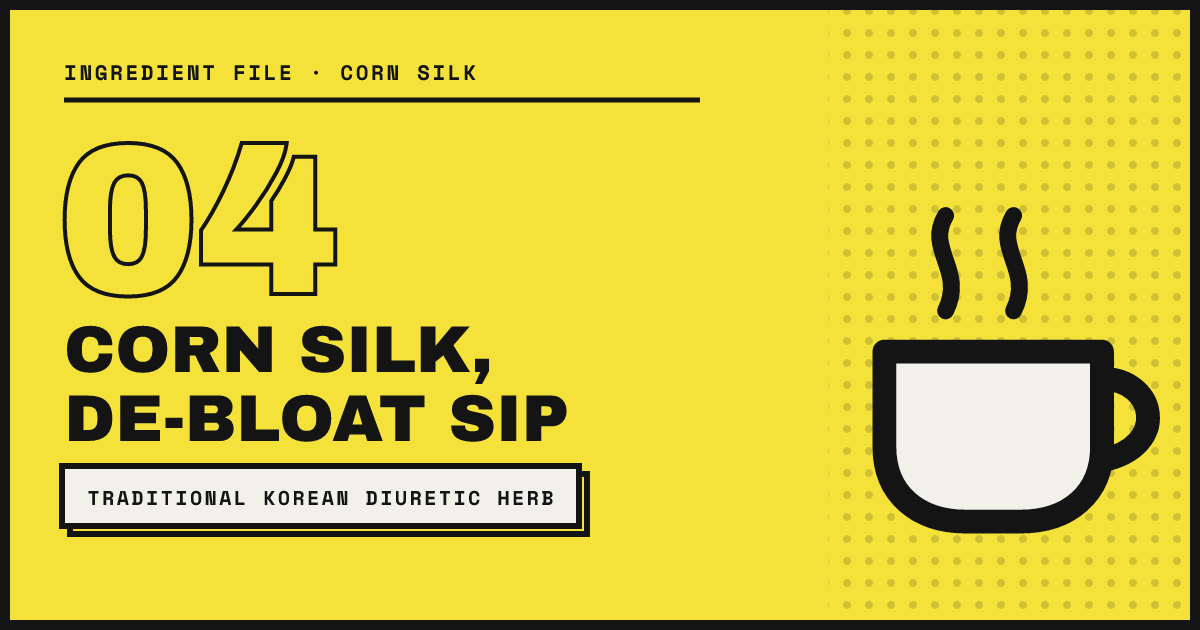
Long before sodium made headlines, Korean households were already managing water retention with a simple pantry tea. It's a well-accepted fact in Korean culture that corn silk tea is a mild diuretic that can help one get rid of water retention. Made from the fine threads discarded during corn harvesting, corn silk tea is widely acknowledged in Korean culture as a moderate diuretic that can aid in the removal of water retention.
Modern wellness writers describe the same traditional use in gentler, cautious terms: some people use it for temporary bloating, a feeling of water retention, or mild urinary irritation, and it may appeal to those looking for a caffeine-free herbal tea. If a warm, roasted-tasting swap sounds appealing after a salty meal, our Yeori Tea leans on this same hanbang tradition of gentle de-bloat botanicals as a simple coffee alternative — not a substitute for cutting back on sodium, but a comforting ritual alongside it.
Frequently Asked Questions
Does drinking more water help salt bloat?
Yes — staying hydrated supports your kidneys in processing and releasing excess sodium, while under-drinking can prompt your body to hold onto even more fluid as a protective response.
Is sea salt better than table salt for bloating?
Not meaningfully. Sea salt and table salt contain roughly similar sodium levels by weight, so your body responds to both the same way when eaten in excess.
Can herbal tea replace a low-sodium diet for bloating?
No. Traditional teas like corn silk tea are best thought of as a gentle daily habit alongside lower sodium intake, not a replacement for it — and anyone with kidney, heart, or blood pressure conditions should check with a healthcare provider before relying on diuretic herbs.