Cortisol belly is real in the sense that chronic stress can influence where your body stores fat and how hungry you feel — but it is not a diagnosis, and cortisol is rarely the whole story behind a fuller midsection. Genetics, sleep, diet, and activity level all play a bigger role for most people than stress hormones alone. If you have been chasing a flatter stomach through cortisol fixes without results, understanding what the science actually supports (and what is just a trending audio) can save you time, money, and frustration.
What Is "Cortisol Belly," Really?
The term exploded across social feeds this year, promising that a calmer nervous system is the secret to a leaner waistline. Wellness creators promise a calmer, leaner look and 30-day transformations that supposedly shrink waistlines by targeting cortisol, often paired with dramatic before-and-after claims. It is a catchy story, and it has clearly struck a nerve: it has become one of the most-searched wellness terms around, with search interest exploding over the past several months. But virality is not the same as biology, and the real relationship between stress and your midsection is more nuanced than a hashtag can capture.
Does Stress Actually Cause Belly Fat?
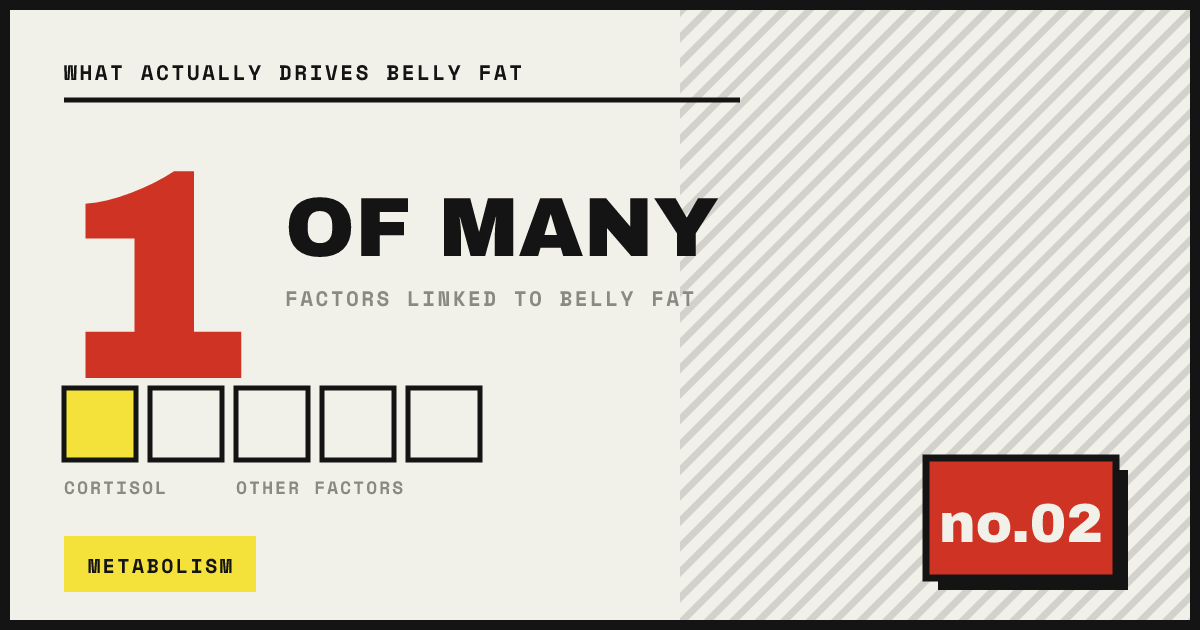
Yes, but only partly, and not for everyone. The connection between cortisol and belly fat is real for some people, but research shows many people with belly fat have normal cortisol levels — their weight is driven more by genetics, diet, activity level, sleep, and other hormones. So cortisol can contribute to belly fat, but it is rarely the whole story. Physiologically, though, the pathway is legitimate: chronically elevated cortisol is linked to increased abdominal fat, blood sugar problems, and disrupted sleep, and chronic stress raises cortisol through the hypothalamic-pituitary-adrenal axis, which can exacerbate risk factors tied to metabolic health. The honest takeaway: stress management is worth doing for its own sake, but it is one lever among several, not a shortcut around nutrition and movement.
How High Cortisol Hijacks Cravings and Digestion
Even when cortisol is not directly reshaping your waistline, it is very good at reshaping your appetite. High cortisol levels make you feel hungrier, especially for sugary and high-calorie foods, which is exactly the kind of eating pattern that makes mindful portions and steady blood sugar harder to maintain. Stress also talks directly to your gut: researchers increasingly describe a gut-brain axis, referring to communication between the gut and brain through neural, immune, metabolic, and hormonal signals, which is one reason a stressful week so often shows up as bloating, irregularity, or that generally "off" digestive feeling before it shows up on a scale.
The Korean Herbal Answer: Adaptogens and the HPA Axis
Long before "cortisol belly" was a trending sound, Korean herbal medicine was already working with the same stress-response system through adaptogenic roots. Modern research shows adaptogens can enhance the body's resistance to a wide range of external stress conditions through a multi-targeted, network-like effect on the immune-neuro-endocrine system and the HPA axis. Panax ginseng, the signature root of Korean hanbang practice, has been studied specifically in this context: Korean red ginseng may help stabilize the central nervous system, autonomic nervous system, and HPA axis through its effects on lipid metabolism and the sympathoadrenal system. Schisandra, another staple of traditional formulas, works along a similar path — it is thought to help nurture the adrenal glands and turn down overproduction of cortisol, which has been linked to better metabolic health. None of this means an herb will melt stress-related fat on its own, but it does explain why these roots have held a steady place in stress-support traditions for centuries.
Beyond the Herb Cabinet: Supporting a Body Under Stress
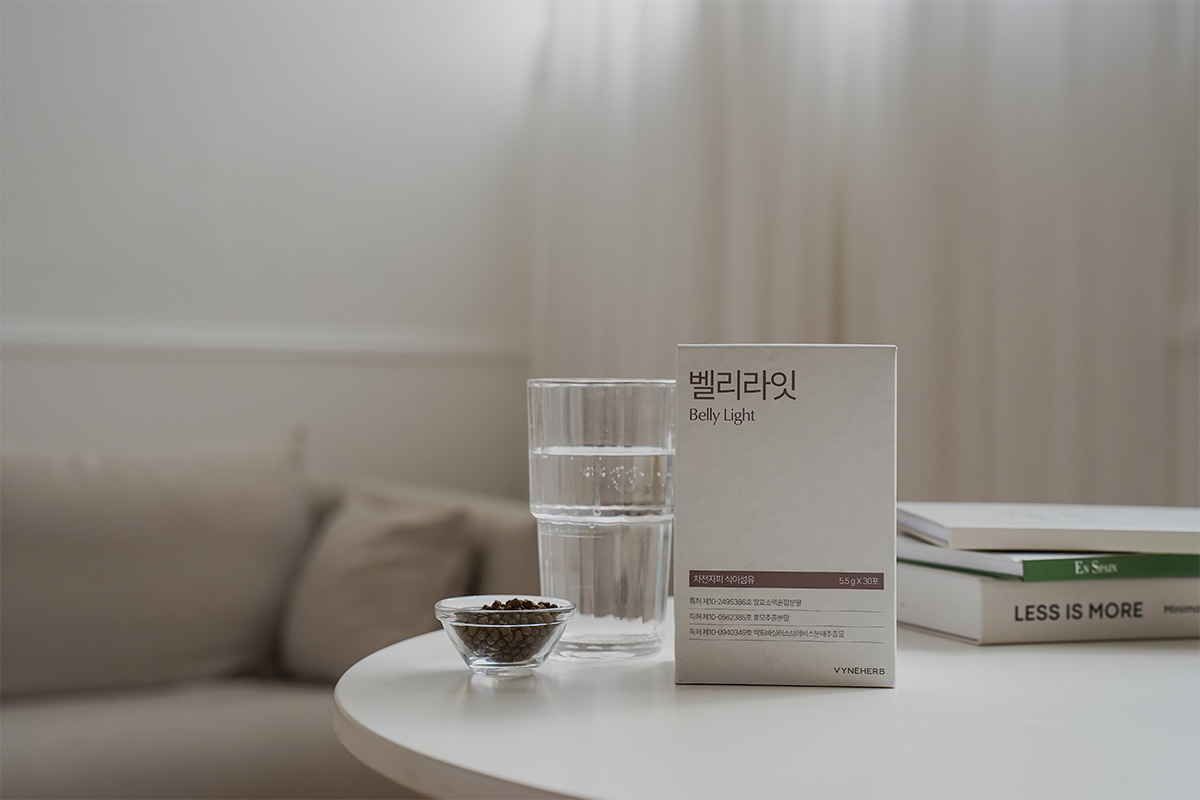
Herbs work best as one piece of a bigger pattern, not a replacement for it. Sleep is a major piece of that pattern: chronically elevated cortisol measurably changes how your body stores fat, holds onto muscle, and regulates blood sugar, and poor sleep is one of the fastest ways to keep cortisol elevated night after night. Building a steadier morning routine, moving your body daily, and giving your metabolism consistent support can matter just as much as any single ingredient. This is where a formula like Slim Effector fits into a stress-aware routine — designed to support metabolic function day to day, so the body has more room to recover from the ordinary wear of a demanding schedule instead of running on empty.
How Long Does It Take to Feel a Difference?
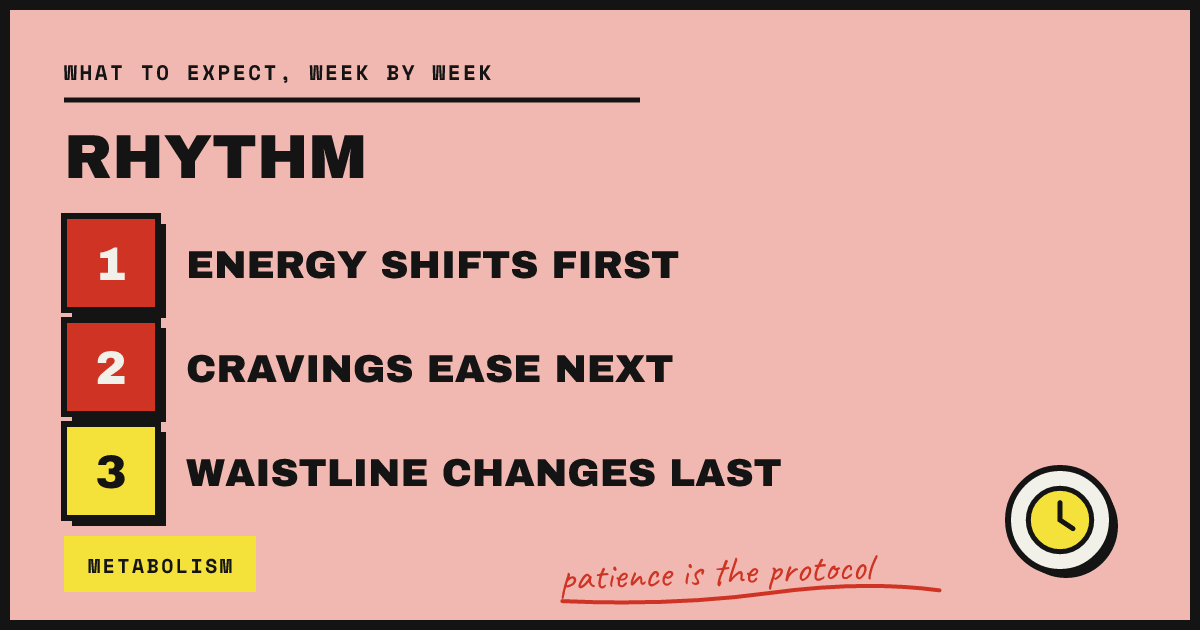
Most people notice changes in energy, sleep, and cravings before they notice any change in their waistline, and that usually takes several weeks of consistent habits rather than days. Stress hormones respond to rhythm — regular sleep, regular meals, regular movement — more than to any single fix, so patience is part of the process. If stress, weight changes, or digestive symptoms feel persistent or severe, a healthcare provider can check for underlying hormonal or metabolic causes that a wellness routine alone will not address.
Frequently Asked Questions
Is cortisol belly a real medical condition?
Not exactly — it is a wellness term, not a clinical diagnosis. Cortisol can influence fat storage and appetite for some people, but most experts agree it is one factor among many, not a standalone cause of belly fat.
What is the fastest way to lower cortisol naturally?
Consistent sleep, regular movement, and stress-reduction practices like breathing exercises tend to have the most evidence behind them. Adaptogenic herbs such as ginseng and schisandra have a long history of traditional use for stress support and may complement these habits, but they work gradually, not instantly.
Can herbal supplements replace stress management or medical treatment?
No. Herbal ingredients are meant to support daily wellness habits, not to treat, diagnose, or replace medical care for stress-related or metabolic conditions. Anyone with ongoing symptoms should speak with a healthcare provider.