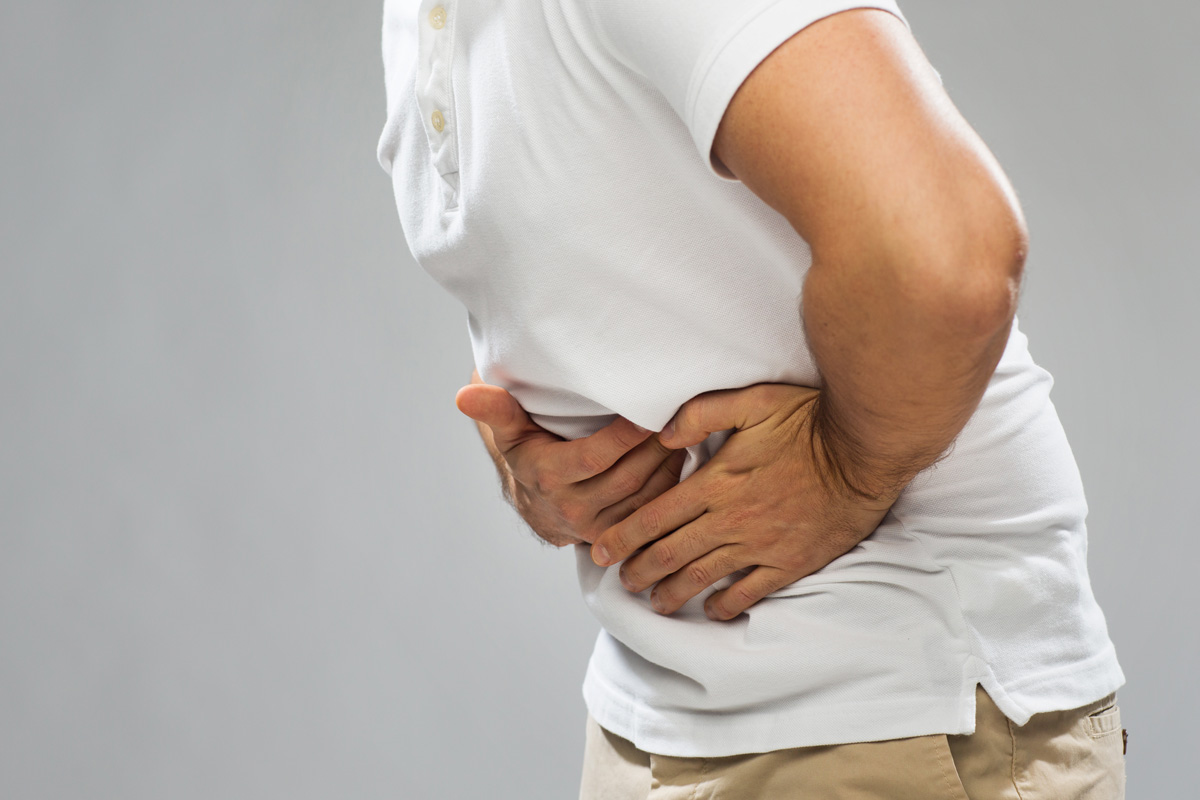
Constipation is a very common digestive complaint, which affects millions worldwide. For many people, it is only an inconvenience that happens occasionally. In such cases, people can easily remedy their condition easily with some simple dietary adjustments or over-the-counter laxatives. However, for a sizeable segment, constipation can be a chronic and debilitating condition. Talking of constipation, we can list two distinct types namely Irritable Bowel Syndrome with Constipation (IBS-C) and Functional Chronic Constipation (FCC). The latter is often simply called chronic constipation. Both these types of constipation involve difficult bowel movements. However, it is crucial to understand their fundamental differences in order to choose the right kind of treatment and understand the role of an effective laxative for IBS constipation.
Understanding the Core Distinctions
The core difference between IBS-C and chronic constipation lies in the underlying physiological mechanisms of the constipation. The symptoms of chronic constipation include infrequent stools (fewer than three per week), significant straining, lumpy or hard stools, a sensation of incomplete evacuation, or a feeling of anorectal obstruction. Sometimes, manual maneuvers may be necessitated to facilitate defecation. Crucially, in chronic constipation, there might be some discomfort, but abdominal pain is not a very common defining symptom in this case. The primary issue faced by these candidates is a disturbance in bowel motility, majorly due to slow transit or dysfunction of the pelvic floor.
The Defining Features of IBS-C

The characteristics of Irritable Bowel Syndrome with Constipation (IBS-C) include recurrent abdominal pain connected to defecation or a perceivable change in stool frequency or consistency. Abdominal pain might recur at the rate of at least one day per week along with pain during defecation, change in stool frequency, or change in stool form. In IBS-C, abdominal pain is usually relieved by a bowel movement. However, this can fluctuate often accompanied by bloating and gas. The gut in IBS-C is majorly hypersensitive, which means even normal distension can trigger pain signals. This phenomenon is known as visceral hypersensitivity. These candidates may experience a change in the gut microbiome and dysfunctional gut-brain axis communication, which can lead to a complex interplay of symptoms.
Why Tailored Treatment is Essential

Since these two types of constipation we discussed above are fundamentally different from each other, a common approach will not be sufficient. Tailoring the treatment to suit the specific diagnosis of IBS-C or FCC is highly necessary to find effective symptom management and improved quality of life.
Treatment Approaches for Chronic Constipation (FCC)
In treating Chronic Constipation (FCC), the primary focus must be on improving bowel motility and facilitating easier stool passage. Often, the treatment strategies include lifestyle modifications like increasing soluble and insoluble dietary fiber gradually, adequate fluid intake, and regular exercise to promote gut motility. One another beneficial strategy is establishing a regular time for bowel movements, which is also known as bowel training. Osmotic laxatives, like polyethylene glycol (PEG) or lactulose, are predominantly used to draw water into the colon and soften the stools. For short term relief, stimulant laxatives can be used. However, it is not advisable to use them over long term. In severe cases, prokinetics or medications meant to speed up gut transit time may be useful. Biofeedback therapy will help if pelvic floor dysfunction is identified. This strategy can help the patients to learn how to coordinate the muscles involved in defecation. Enemas and suppositories may be employed to relieve severe constipation.
Specific Therapies for IBS-C

IBS-C involves pain, bloating, and visceral hypersensitivity in majority cases. Therefore, the treatment strategies adopted must be able to address these additional dimensions. Dietary modifications can play a significant role. Temporarily, the low FODMAP diet might be implemented. Diet experts might recommend restricting fermentable carbohydrates that can trigger symptoms. Keeping a food diary will help in identifying specific trigger foods. Laxative for IBS constipation include lubiprostone (Amitiza) to increases fluid secretion in the intestines, soften stools, and promote bowel movements. This can also help in relieving abdominal pain. Linaclotide (Linzess) and plecanatide (Trulance) can increase intestinal fluid secretion and accelerate transit, which are also shown to improve abdominal pain. Antispasmodics, like dicyclomine or hyoscyamine, can help in reducing abdominal cramps. Low-dose antidepressants like tricyclic antidepressants (TCAs) or selective serotonin reuptake inhibitors (SSRIs) are useful to modulate pain perception and gut motility.
Mind-body therapies also play a crucial role in relieving IBS-C are also crucial. Cognitive Behavioral Therapy (CBT) helps the patients to manage stress and anxiety. Hypnotherapy is also found effective in reducing IBS symptoms by improving gut-brain communication. Stress management techniques like yoga, meditation, and mindfulness can be useful to remedy stress-related symptoms.
Take Away
Treating constipation effectively starts with proper diagnosis. Solely depending on laxatives to treat IBS-C solely might address improving stool frequency, but will invariably fail to remedy the debilitating abdominal pain and bloating. On the other hand, treating FCC with too much medicines aimed at addressing visceral hypersensitivity might expose the patient to potential side effects without additional benefits. Laxative for IBS constipation are exclusively developed to bring the desired remedy while avoiding any undue side effects.