
Corn silk tea — the pale gold brew that shows up on Korean restaurant tables instead of water — is a traditional diuretic drink people reach for when they feel puffy, heavy, or full of water weight. It's made from the silky threads tucked inside a corn husk, and Korean and Chinese herbal medicine have used it for centuries to help the body release excess fluid. It's now resurfacing on TikTok as a 'debloat' hack, and a handful of newer lab studies are starting to explain why it might genuinely do something.
What Is Corn Silk Tea, Exactly?

Corn silk is the fine, thread-like strands you peel away before cooking an ear of corn — and botanically, it's called Stigma Maydis. It's considered a waste material from corn cultivation, but it's also an inexpensive medicinal plant that was first recorded as a classical herb in a Ming dynasty medical text, where it was described as inducing diuresis and alleviating fluid stagnation. In Korea, the tea has its own name and identity separate from plain corn tea.
While oksusu-suyeom-cha refers specifically to tea made from the corn silk itself, oksusu-cha (corn tea) can be made from the kernels, the silk, or a blend of both. Koreans have long consumed this tea for both traditional beliefs and its perceived health benefits, and it's common to find it poured in place of water at the table of a Korean restaurant.
Does Corn Silk Tea Really Help With Water Retention?
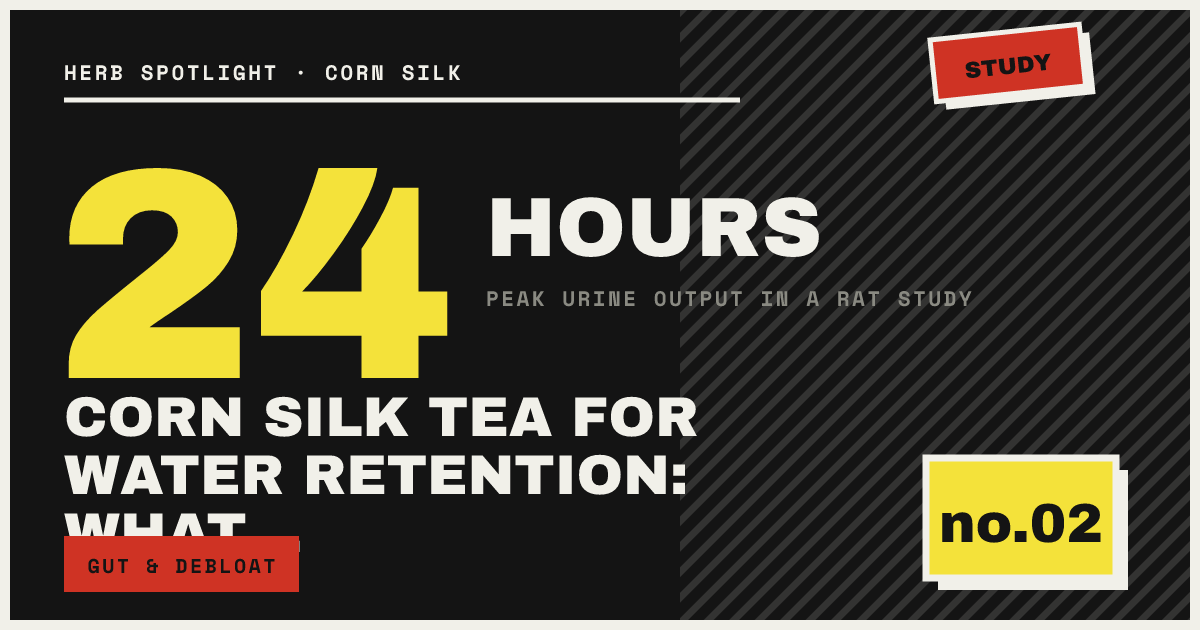
Yes, to a real but limited degree. Corn silk has documented diuretic activity in lab research, meaning it can prompt the body to release more fluid — which lines up with the lighter, less-puffy feeling people describe after a bloat-prone day. A 2004 study in rats found that corn silk decoction produced significant, acute diuresis, with peak urine output within the first 24 hours, and the mechanism appeared to work through increased kidney filtration rather than salt loading.
That said, the human data lags behind the tradition. The most realistic takeaway is that corn silk tea may have mild diuretic and soothing effects for some people, but scientific evidence in humans is still limited, so it's best enjoyed as a traditional herbal drink rather than relied on to treat any medical condition.
How Hanbang Uses Corn Silk
In traditional East Asian herbal frameworks, including hanbang, corn silk is classified as a damp-draining herb. It's considered an important medicinal plant with the function of inducing diuresis and excreting dampness, used to alleviate a pattern of internal fluid-dampness stagnation. That framing maps closely onto what modern people call 'bloat' or 'water weight' — a heavy, swollen feeling tied to fluid the body hasn't cleared.
Historically, it's been used across Chinese herbal medicine to address edema, cystitis, gout, nephritis, kidney stones, and obesity. In Korean households, the tea version is gentler and more food-like — closer to a daily ritual than a remedy you'd reach for only when something feels wrong.
What Does Current Research Say About Corn Silk?
Beyond its diuretic reputation, researchers have been digging into what's actually inside corn silk. It's been utilized as an important herb against obesity by Chinese, Korean, and Native American traditions, and a network pharmacology study set out to identify its promising bioactive constituents and the biological mechanisms behind that traditional use. Separately, it's also been reported to carry hypoglycemic, antioxidant, and anti-fatigue properties, largely attributed to its flavonoid content.
More recent lab work has looked at corn silk's effect on inflammation and bacterial adhesion in the urinary tract. The existing lab and animal evidence shows anti-inflammatory activity, anti-adhesion effects against bacteria linked to urinary discomfort, confirmed diuretic effects, and tissue-soothing properties from its mucilage content. Still, corn silk sits in an interesting research space — centuries of traditional use backed by real pharmacological mechanisms, but almost no human clinical trial data to confirm those effects in people. That's a useful reminder to treat it as a supportive, traditional habit rather than a medical fix.
How Koreans Actually Drink It
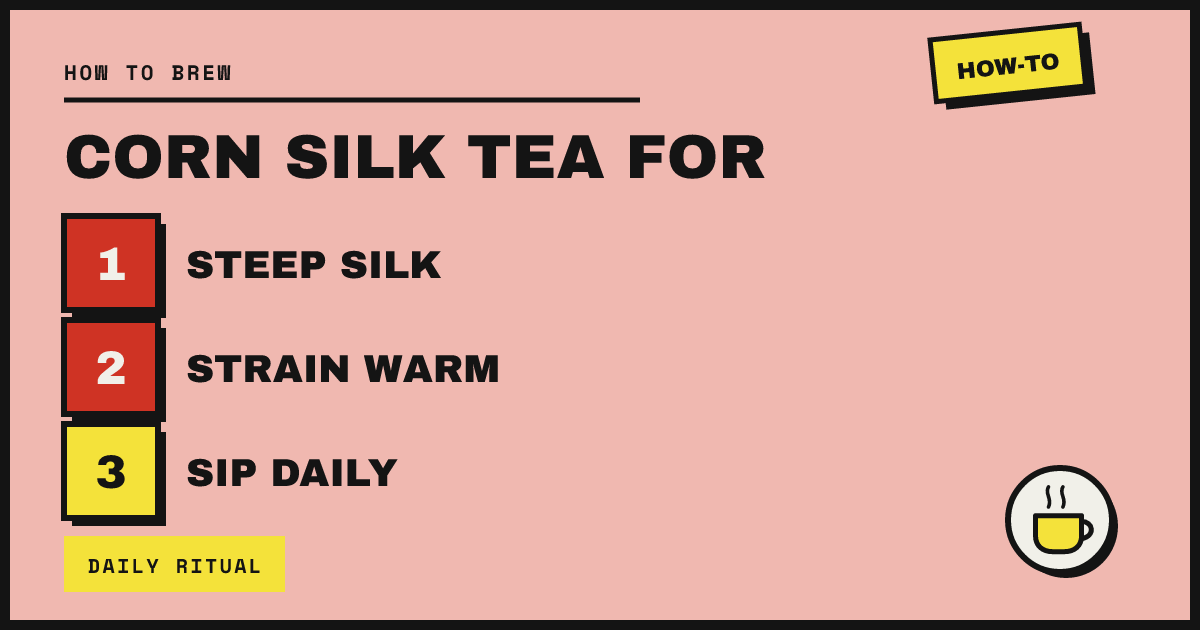
Making corn silk tea at home is simple. Dried corn silk is steeped in hot water for 10 to 15 minutes, then strained and served either hot or cold — it's a particularly popular chilled drink in the summer. Because the flavor on its own is very light, it's often combined with roasted corn kernels to round out the taste, making a blended version that's slightly sweeter and more full-bodied.
- Steep dried corn silk in just-boiled water for 10–15 minutes
- Strain and drink warm, or chill for an iced version
- Mix with roasted corn for a rounder, sweeter flavor
- Serve caffeine-free alongside meals, the way it's done in Korea
Bringing the Ritual Into Your Day
Part of why corn silk tea is trending again is that it fits neatly into a broader 'debloat' moment online. It's known for its natural diuretic and anti-inflammatory properties, and people reach for it hoping to support urinary tract health, ease water retention, and help flush out excess fluid. If you want that same gentle, tea-first approach to a puffy afternoon without steeping and straining your own silk, a ready-made de-bloat tea like Yeori Tea is built around that same traditional, herbal logic — a warm cup instead of another coffee, formulated to support a lighter, less bloated feeling as part of a daily routine.
One practical note: because corn silk has real diuretic activity, it can interact with diuretic medications, blood pressure medications, and antidiabetic drugs, potentially amplifying their effects. If you're on any of those, or you're pregnant or nursing, check with your healthcare provider before making it a daily habit.
Frequently Asked Questions
What does corn silk tea taste like?
It's mild, lightly sweet, and faintly earthy — many describe it as closer to a roasted grain tea than anything bitter or medicinal. When blended with roasted corn kernels, the flavor becomes rounder and slightly caramel-like, which is why many Korean households serve the two together.
Is corn silk tea safe to drink every day?
For most healthy adults, it's traditionally treated as a gentle, food-like daily tea rather than a strong remedy. People taking diuretics, blood pressure medication, or blood sugar medication should check with a healthcare provider first, since corn silk's diuretic activity can interact with those drugs.
How is corn silk tea different from regular Korean corn tea?
Regular corn tea (oksusu-cha) is typically made from roasted corn kernels, while corn silk tea (oksusu-suyeom-cha) uses the silky strands specifically. The two are sometimes brewed together, but corn silk is the part most associated with the tea's traditional diuretic, de-bloating reputation.